Ghee, Jaggery & Cardamom: The Essential Trio Behind Traditional Indian Festive Sweets
Ghee warms. Jaggery melts. Cardamom cracks open. In that order, in a heavy-bottomed pan, a festival begins. Ask anyone who has cooked a traditional Indian sweet, and they will tell you that the ingredients list is often shorter than expected. Behind sweets that seem complicated, there are usually three quiet heroes: ghee, jaggery & cardamom. Together they form a flavour base that appears in countless Dussehra offerings, and understanding each one makes you a more confident cook.
Why are ghee, jaggery and cardamom used together?

Ghee adds richness and nutty aroma, jaggery provides deep, earthy sweetness, and cardamom lifts the flavour with fragrance. This trio forms the base of many traditional Indian festive sweets, such as payasam, sakkarai pongal and laddu.
Ghee: the richness that carries everything
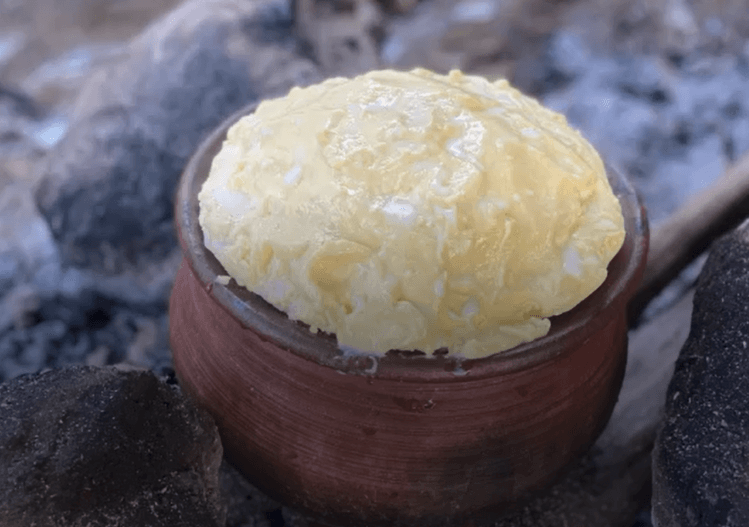
Ghee is where the flavour begins. It roasts cashews, fries raisins, greases the pan and, at the end, adds a glossy finish that no other fat quite matches. Made by the bilona method, ghee has a slightly nutty aroma that deepens the taste of sweets.
In many homes, ghee is also used to light the evening lamp during Navaratri. That double life, as food and as offering, is one reason it sits so comfortably in festival cooking. Learn more in our guide to A2 ghee for cooking.
Jaggery: the earthy sweetness
Jaggery is made by boiling sugarcane juice until it thickens and sets. Because it is not refined into white crystals, it keeps a caramel-like depth that suits South Indian sweets so well. When it melts into a syrup, it turns glossy and dark, and it clings to rice, lentils and milk beautifully.
We cover more festive recipes in Dussehra sweets with jaggery.
Cardamom: the fragrance that finishes the sweet
Cardamom is often called the queen of spices, and one bite of a payasam finished with it explains why. Crushed just before use, the pods release a cool, citrusy, slightly floral aroma that lifts heavy sweetness and makes the whole dish feel lighter.
Heirloom white cardamom has a delicate, clean fragrance that shines in milk-based sweets.
How the trio works together
| Ingredient | Role in the sweet | When to add | Small tip |
|---|---|---|---|
| Ghee | Richness, roasting, finishing | Start and end | Fry nuts first, drizzle again at the end |
| Jaggery | Sweetness and depth | Mid-cooking, as strained syrup | Cool slightly before adding milk |
| Cardamom | Fragrance | Last, freshly crushed | Grind pods just before serving |
Once you understand this rhythm, you can adapt almost any sweet. Roast in ghee, sweeten with jaggery syrup, finish with cardamom.
Three sweets that show off ghee jaggery cardamom
- Sakkarai pongal. Soft rice and moong dal folded into jaggery syrup, with roasted cashews in ghee and a pinch of cardamom.
- Payasam. Milk or coconut milk simmered with rice, sweetened with jaggery, finished with ghee-fried nuts and cardamom. Try it with black heirloom rice.
- Laddu. Roasted flour or lentil bound with ghee, sweetened with jaggery powder and scented with cardamom.
The three hands behind every sweet
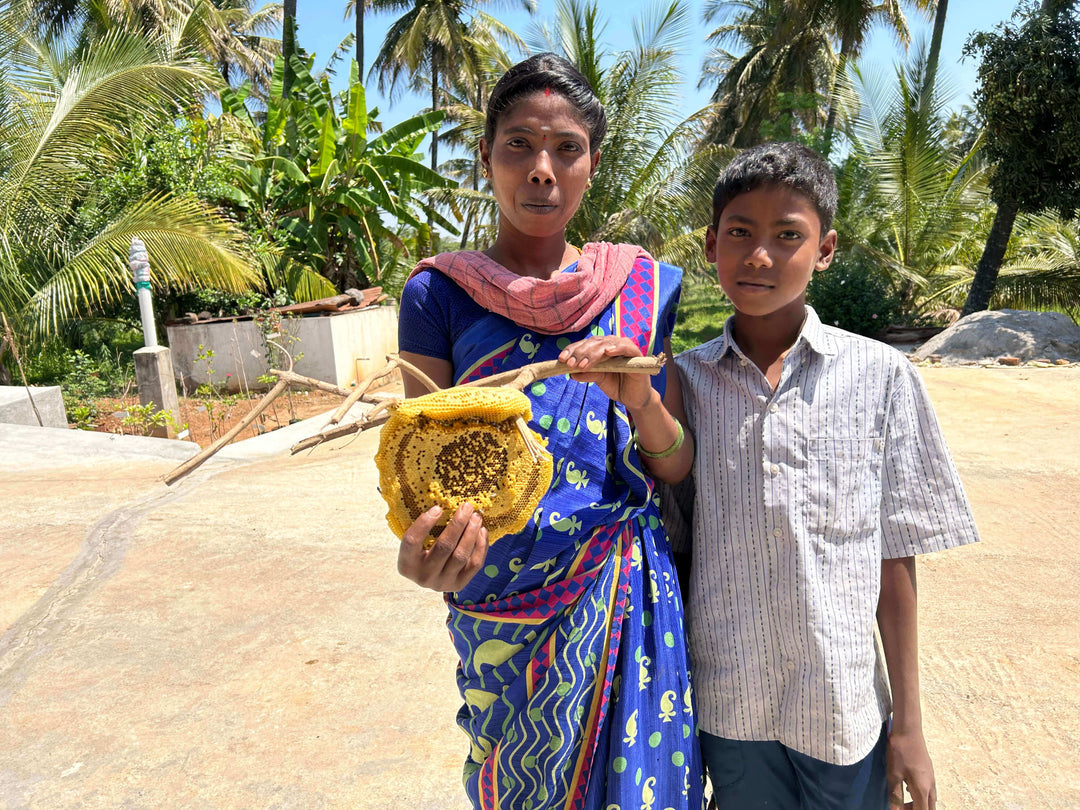
Think about where these three ingredients come from. Ghee comes from a cow, and the hands that milk, set curd, churn and simmer. Jaggery comes from sugarcane fields, and the hands that press, boil and pour. Cardamom comes from hill plantations, and the hands that pick, dry and sort the pods.
By the time they meet in your pan, dozens of people have touched them. Nobody sees this on the day of the festival, but it is part of why a simple sweet feels so full.
Dussehra celebrates victory, but it also celebrates the ordinary things that make community possible: a shared kitchen, a shared plate, a shared table. A trio of humble ingredients is a beautiful place to start.
Notice, too, how quickly the aroma changes a room. Ghee brings warmth, jaggery brings memory, and cardamom brings a lightness that makes people pause mid-sentence and ask, "What are you making?"
This Dussehra, treat ghee jaggery cardamom as more than a checklist. Treat them as an invitation. Heat the pan, take your time, and let the kitchen fill.
About Svastya's Organic Heirloom White Cardamom
Svastya's Organic Heirloom White Cardamom is grown without chemical inputs and kept close to its natural form, so the pods still carry a clean, cool fragrance when crushed fresh at home. A little goes a long way in a pot of payasam or pongal, which is the whole point of using cardamom in the first place: a small addition with an outsized effect on aroma. Pair it with our bilona ghee and heirloom rice for a trio that tastes unmistakably traditional.
Frequently Asked Questions
1. Why do most Indian sweets use ghee, jaggery and cardamom?
They balance richness, earthy sweetness and fragrance, and they have been used together in festive cooking for generations.
2. When should I add cardamom to a sweet?
Add freshly crushed cardamom at the end so its aroma stays bright and does not cook away.
3. Can I replace jaggery with sugar in traditional sweets?
You can, but the flavour will be lighter and less earthy. Jaggery gives festive sweets their classic depth.
4. How do I keep ghee fresh?
Store it in a clean, dry jar, use a dry spoon and keep it away from direct sunlight.