8 Traditional Indian Ingredients for a Festive Kitchen: Ghee, Honey, Jaggery, Rice & More
Walk into a kitchen the morning of Dussehra and you can almost read the day from the counter. A jar of ghee with the lid slightly loose from last night's use. A block of jaggery, a corner already broken off. A small steel box of turmeric with a golden ring around its edge. Nothing here is decorative. Everything is about to be used.
Traditional Indian ingredients do quiet, steady work across a festival. None of them are flashy on their own, but together they build the meals, offerings and small rituals that make Dussehra feel complete. Here are eight worth knowing well.
What ingredients define a traditional Indian festive kitchen?
A traditional Indian festive kitchen typically relies on ghee, jaggery, raw honey, cold-pressed oils, heirloom rice, turmeric, cumin and cardamom, each used across cooking, sweets and rituals throughout the celebration.
1. A2 Ghee
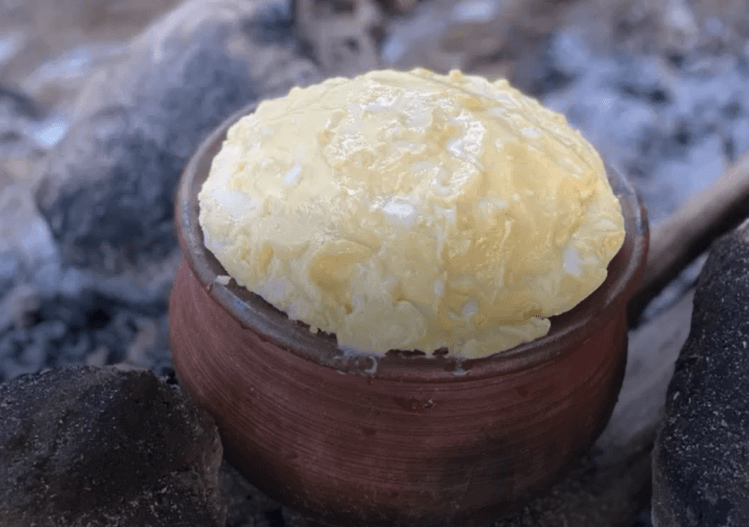
Ghee roasts nuts, finishes sweets and lights the evening lamp. Made by the traditional bilona method from cultured curd, it carries a nutty aroma through dal, rice and payasam alike. Read more in A2 ghee for cooking, or shop our ghee collection.
2. Jaggery
Unrefined and earthy, jaggery sweetens sakkarai pongal, payasam and holige. Its deep caramel notes are part of what makes festival sweets taste different from everyday desserts. See our full guide on Dussehra sweets with jaggery.
3. Raw Forest Honey
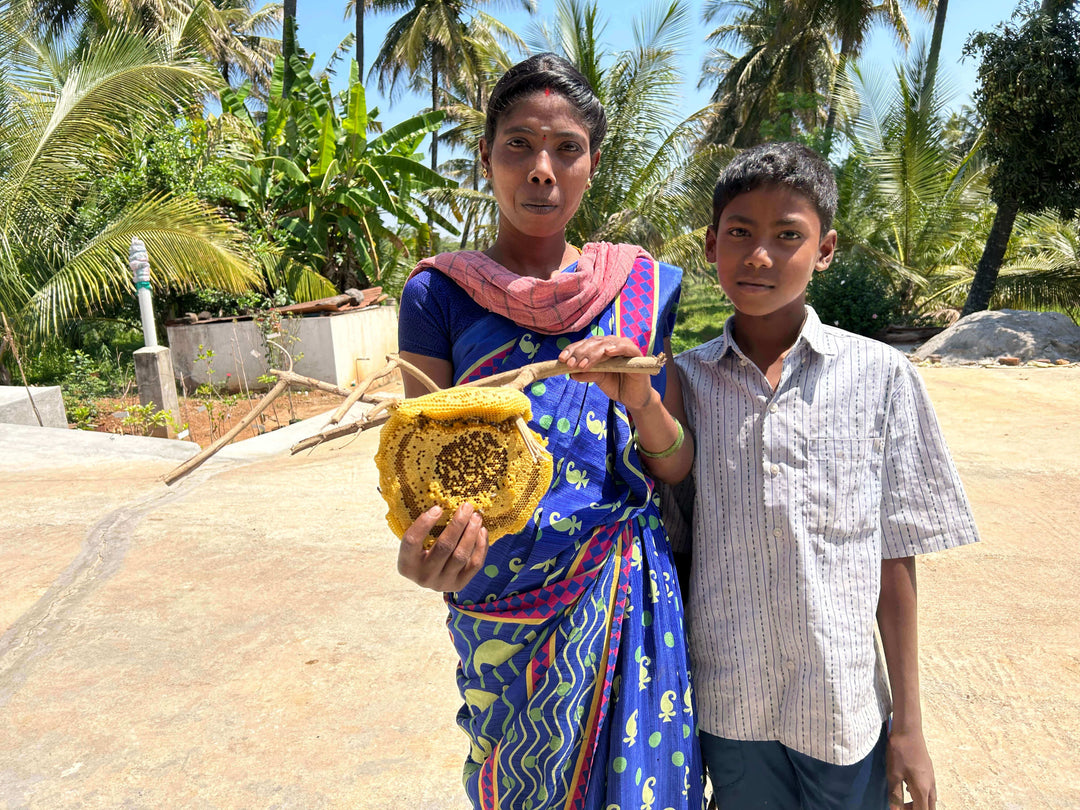
Used in panchamrita and drizzled over fruit or payasam, raw forest honey brings a floral sweetness that no processed syrup can match. Learn more in raw forest honey for festive cooking, or browse the honey collection.
4. Cold-Pressed Groundnut Oil
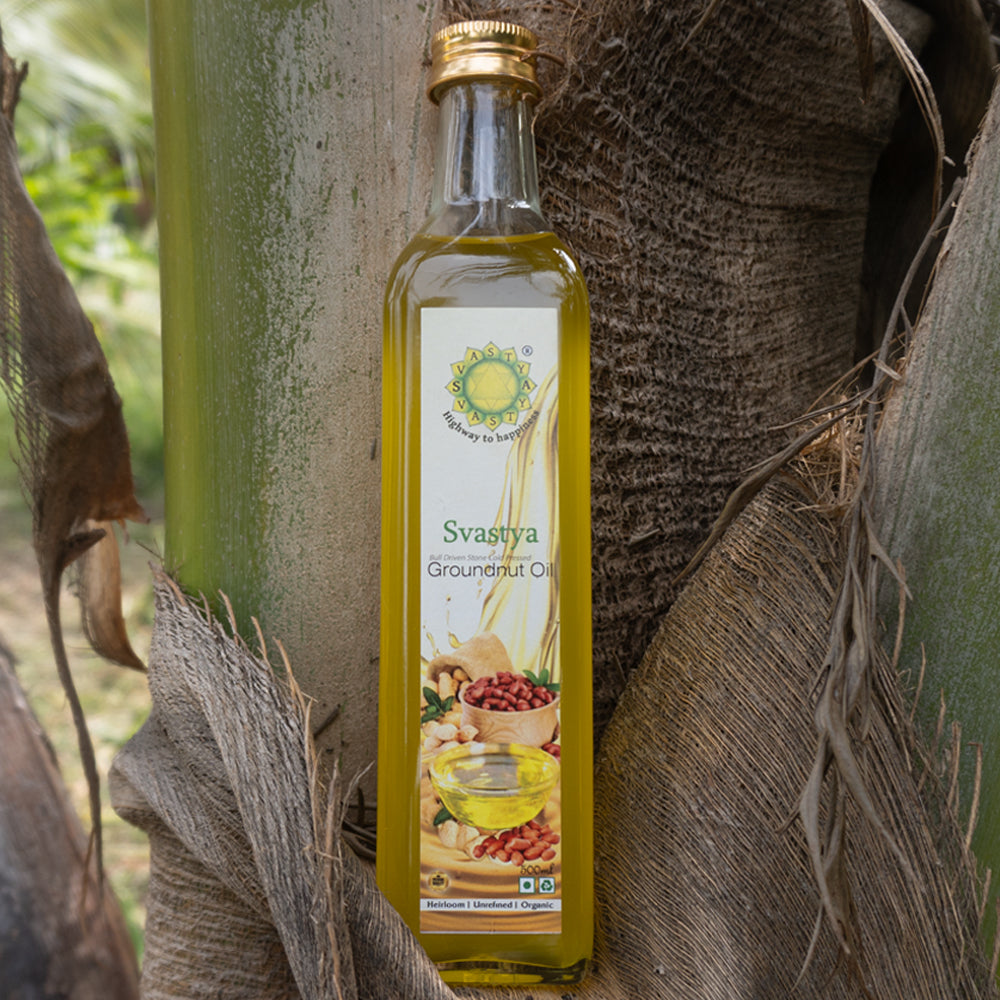
For murukku, thattai and sundal, groundnut oil's roasted-peanut aroma is hard to replace. Slow, bull-driven stone pressing keeps that character intact. Explore cold-pressed groundnut oil for Indian cooking.
5. Karuppu Kavuni Rice
This heirloom black rice turns an ordinary lunch or a payasam into something festive with almost no extra effort, thanks to its deep colour and nutty bite. See our guides on cooking Karuppu Kavuni rice and making Karuppu Kavuni Payasam.
6. Chinna Nadan Turmeric
Beyond the kitchen, turmeric marks doorways, tools and kalasams during Navaratri and Ayudha Puja. In the pot, it colours sambar and kootu a warm gold. Read Chinna Nadan turmeric for the festive kitchen.
7. Heirloom Cumin Seeds
The first crackle in most tempering pans, cumin is what gives dal, rasam and rice their familiar festive aroma. Explore cumin seeds in Indian cooking.
8. Cardamom
Few sweets feel finished without it. Freshly crushed cardamom lifts the sweetness of payasam, holige and laddu with a cool, fragrant note. Try our heirloom white cardamom, and read about the ghee, jaggery and cardamom trio.
How these eight work together

| Ingredient | Main role | Common use |
|---|---|---|
| A2 Ghee | Richness, lamp oil | Sweets, tempering, rice |
| Jaggery | Sweetness | Payasam, pongal, holige |
| Raw Forest Honey | Ritual, garnish | Panchamrita, fruit, payasam |
| Groundnut Oil | Frying, tempering | Murukku, sundal, vada |
| Karuppu Kavuni Rice | Base grain | Meals, payasam |
| Chinna Nadan Turmeric | Colour, ritual | Sambar, kootu, puja |
| Cumin Seeds | Aroma | Tempering, spice blends |
| Cardamom | Fragrance | Sweets |
Stock these eight, and most of a traditional Dussehra menu becomes possible without a special trip to the market on the morning of the feast.
Why these ingredients matter beyond the recipe
There is a reason grandmothers rarely measure exactly. They know these ingredients by feel, by smell, by the sound they make in a hot pan. That kind of knowledge is passed down slowly, over many festivals, not read from a card.
Choosing traditional, organically grown versions of these eight ingredients is one way of keeping that knowledge alive. It supports the farmers, honey hunters and small producers who still work by hand, and it brings a flavour to the table that feels rooted rather than generic.
Dussehra is, at its heart, a celebration of what endures. Good over difficulty, light over darkness, effort over shortcuts. A pantry built on these eight traditional ingredients is a small, edible version of that same idea: things worth keeping, made the way they have always been made.
This festival season, before the guests arrive and the lamps are lit, take a moment to look at what is already sitting in your kitchen. You may find that most of what Dussehra asks for, you already have.
About Svastya's Traditional Pantry Collection
Every ingredient in this list is grown, pressed or churned the traditional way at Svastya Organic Farms, from bull-driven stone-pressed oils to bilona-churned A2 ghee and hand-pounded heirloom rice. Nothing is chemically processed or shortcut for speed, which is why the flavours stay close to how they tasted in a traditional Indian kitchen. Building a Dussehra pantry from a single, trusted source also means every jar and packet follows the same organic, chemical-free standard, so you are not guessing about quality item by item.
Frequently Asked Questions
1. What are the most important ingredients for Dussehra cooking?
Ghee, jaggery, raw honey, cold-pressed oil, heirloom rice, turmeric, cumin and cardamom cover most traditional festive recipes.
2. Why choose organic versions of these ingredients?
Organic, traditionally processed versions often carry stronger aroma and flavour, and support small farmers and traditional methods.
3. Can I substitute white sugar for jaggery in festive sweets?
You can, but the sweet will lack the deep, earthy flavour that jaggery brings to traditional recipes.
4. Do I need all eight ingredients for a simple Dussehra meal?
No. Even three or four, such as ghee, turmeric, cumin and rice, can make a satisfying festive meal.