Your Gut, Food & Happiness: Why What You Eat Affects Your Mood
The Powerful Link Between Your Gut and Your Mood
The food on your plate is not just fuel for your body — it is one of the most powerful mood-regulating tools you own.
Have you ever noticed how a warm, home-cooked meal lifts your spirits, while several days of junk food can leave you feeling sluggish, irritable, or low?
This isn’t coincidence.
Modern science has confirmed what Ayurveda has understood for thousands of years:
the health of your gut directly influences the health of your mind.
At Svastya Organic Farms, we believe truly nourishing food goes beyond calories and macronutrients. The right food nourishes the invisible ecosystem inside your gut — and that ecosystem plays a major role in controlling:
-
your mood
-
your energy levels
-
your emotional resilience
-
your overall wellbeing
Key Gut–Brain Health Facts
-
90% of serotonin (the “happy hormone”) is produced in the gut
-
500 million neurons line the gut — more than the spinal cord
-
38 trillion microbial cells live in the human gut microbiome
These numbers highlight how deeply connected gut health and mental health really are.
Understanding the Gut–Brain Axis

Your gut and brain communicate constantly through a system called the gut–brain axis.
This network is made up of:
-
nerve signals
-
hormones
-
immune system messengers
The main communication pathway is the vagus nerve, a long nerve connecting the digestive system to the brain.
Signals travel in both directions, but many signals actually move from the gut upward to the brain.
This means the condition of your digestive system strongly affects how you feel emotionally.
Important gut factors that influence mood include:
-
microbial diversity
-
inflammation levels
-
nutrient absorption
-
gut lining health
Research from Harvard Medical School describes the gut-brain axis as a bidirectional communication system, explaining why digestive issues often trigger anxiety and stress.
Important Insight
About 95% of the body's serotonin is produced in the gut lining, not the brain.
When your gut is nourished properly, your body can maintain healthier serotonin levels — supporting emotional stability and happiness.
Your Microbiome: The Mood Orchestra
Inside your digestive tract lives a complex ecosystem called the gut microbiome.
This community contains trillions of microorganisms, including:
-
bacteria
-
fungi
-
microbes
Think of your microbiome like an orchestra.
When every microbial species works together in balance, you feel:
-
energised
-
mentally clear
-
emotionally stable
But when beneficial microbes decline and harmful bacteria dominate, the harmony is disrupted.
This imbalance may contribute to:
-
anxiety
-
fatigue
-
mood swings
-
depression symptoms
Research published in Nature Microbiology found that individuals with depression often had lower levels of Coprococcus and Dialister bacteria, even when taking antidepressants.
This finding highlights an important point:
The microbiome does not just influence mood — it actively helps regulate it.
How Processed Food Disrupts Gut Health and Mood
Highly processed foods can significantly damage the gut microbiome.
Common ultra-processed ingredients include:
-
refined flour
-
artificial sweeteners
-
hydrogenated oils
-
synthetic preservatives
These foods act like a wrecking crew for beneficial gut bacteria.
They can:
-
encourage harmful bacterial growth
-
increase gut inflammation
-
reduce serotonin and dopamine precursor production
A major study published in BMC Medicine followed more than 10,000 participants and found that people who consumed the highest levels of ultra-processed foods had significantly higher rates of depression and anxiety.
This relationship remained even after adjusting for other lifestyle factors.
“Every meal is either building your mental resilience or depleting it. There is no neutral food.”
— Adapted from research in nutritional psychiatry at the University of Melbourne
Foods That Naturally Support Happiness
The good news is that switching to whole, organic, minimally processed foods can improve gut health and mood within weeks.
Here are some foods that nourish the gut microbiome and support emotional wellbeing.
Raw Honey
Natural prebiotic oligosaccharides feed beneficial gut bacteria.
A2 Peanut Butter
Contains tryptophan, a key precursor to serotonin.
Cold-Pressed Oils
Rich in omega-3 fatty acids, which help reduce neuroinflammation.
Herbal Ghee
Contains butyrate, the primary fuel source for gut-lining cells.
Millets and Whole Grains
Provide resistant starch, which supports microbial diversity.
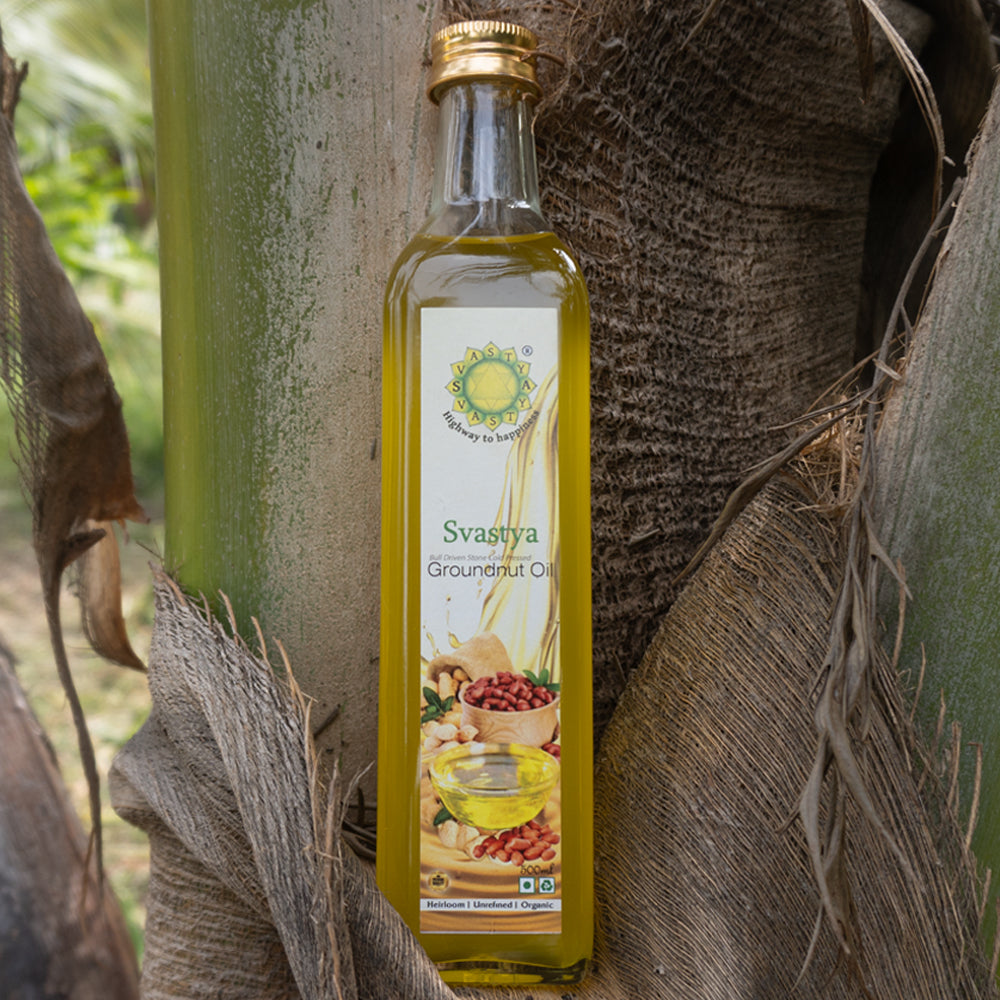
Wood-Pressed Coconut Oil
Medium-chain triglycerides convert into brain-energising ketones.
For example, Svastya raw wildflower honey acts as a natural prebiotic.
Its oligosaccharides pass through the small intestine undigested and reach the colon, where they feed beneficial bacteria such as:
-
Lactobacillus
-
Bifidobacterium
These strains are associated with improved mood regulation and reduced anxiety.
Fermented foods such as curd, kimchi, and traditional batters also support a healthy microbiome.
Why Organic Food Supports Gut Health
Not all whole foods support the microbiome equally.
Conventionally grown produce is often treated with pesticides such as glyphosate.
Research published in Frontiers in Environmental Science suggests that glyphosate can disrupt gut microbial populations, particularly beneficial bacteria that produce compounds like:
-
GABA
-
serotonin precursors
This makes organic food choices important for gut health.
Choosing certified organic foods helps protect microbial diversity and reduces exposure to harmful chemicals.
At Svastya Organic Farms, all products are sourced from farms that avoid:
-
synthetic pesticides
-
chemical fertilisers
-
harmful agricultural inputs
This ensures that the natural nutrient richness of the food remains intact.
The Svastya Principle
We don’t simply grow food without chemicals — we grow food with intention.
Every product we offer is chosen for nutritional completeness, not just shelf stability.
Simple Daily Habits for a Healthier Gut and Happier Mood
Small daily habits can greatly improve both gut health and emotional wellbeing.
Start your morning with warm water, fresh lemon, and a teaspoon of Svastya raw honey to gently activate digestion.

Eat a rainbow of plant foods every day. Aim for at least five different colours to support microbial diversity.

Include fermented foods daily, such as curd, kanji, homemade pickles, or idli and dosa batter.

Choose whole grains like millets, ragi, and brown rice instead of refined flour products.

Replace processed snacks with a spoon of Svastya A2 peanut butter and a piece of fruit for a tryptophan-rich, mood-sustaining snack.

Cook with cold-pressed or wood-pressed oils to preserve essential fatty acids that support brain health.

Nourish Your Gut. Elevate Your Mood.
Food is not just nutrition — it is information for your body and brain.
By choosing organic, minimally processed foods, you support the health of your microbiome, your digestive system, and your emotional wellbeing.
Explore Svastya’s range of certified organic foods designed to nourish both body and mind.
Gut Health & Mood – Frequently Asked Questions
How quickly can diet changes improve mood?
Many people experience improvements in energy and mood within 2–4 weeks after switching to whole, microbiome-friendly foods.
What foods should I avoid for better gut health?
Reduce intake of ultra-processed foods, artificial sweeteners, refined flour, and hydrogenated oils.
Does raw honey help gut health?
Yes. Raw honey contains prebiotic oligosaccharides that support beneficial gut bacteria.
What is nutritional psychiatry?
Nutritional psychiatry is a field of research that studies how diet affects mental health and mood disorders.
Why does organic food matter for mental health?
Organic foods reduce exposure to pesticides that may disrupt gut bacteria responsible for producing mood-regulating compounds.
Can food alone improve mood without medication?
Diet can significantly support mental health, but medical treatment should always be guided by healthcare professionals.