Why Does Svastya Honey Foam & Overflow?
Why Does Svastya Honey Foam or Overflow?
The bubbling jar on your kitchen shelf isn't a defect — it's nature speaking.You opened a fresh jar of Svastya honey, expecting a calm golden surface. Instead, you noticed foam on top, tiny bubbles rising, or even honey slowly overflowing from the jar.
Naturally, you might wonder:
Is my honey spoiled? Did something go wrong?
Take a breath. What you are seeing is actually one of the strongest signs that your honey is genuinely raw, natural, and unprocessed.
Let's explore the science behind foamy raw honey.
Raw Honey Characteristics
🐝 Source: Single-origin wildflower honey
🌡️ Processing: Zero heat treatment
💧 Moisture: Naturally occurring & seasonal
🧬 Enzymes: Fully preserved
These qualities are what make Svastya honey behave like true raw honey.
Raw Honey Is a Living Food
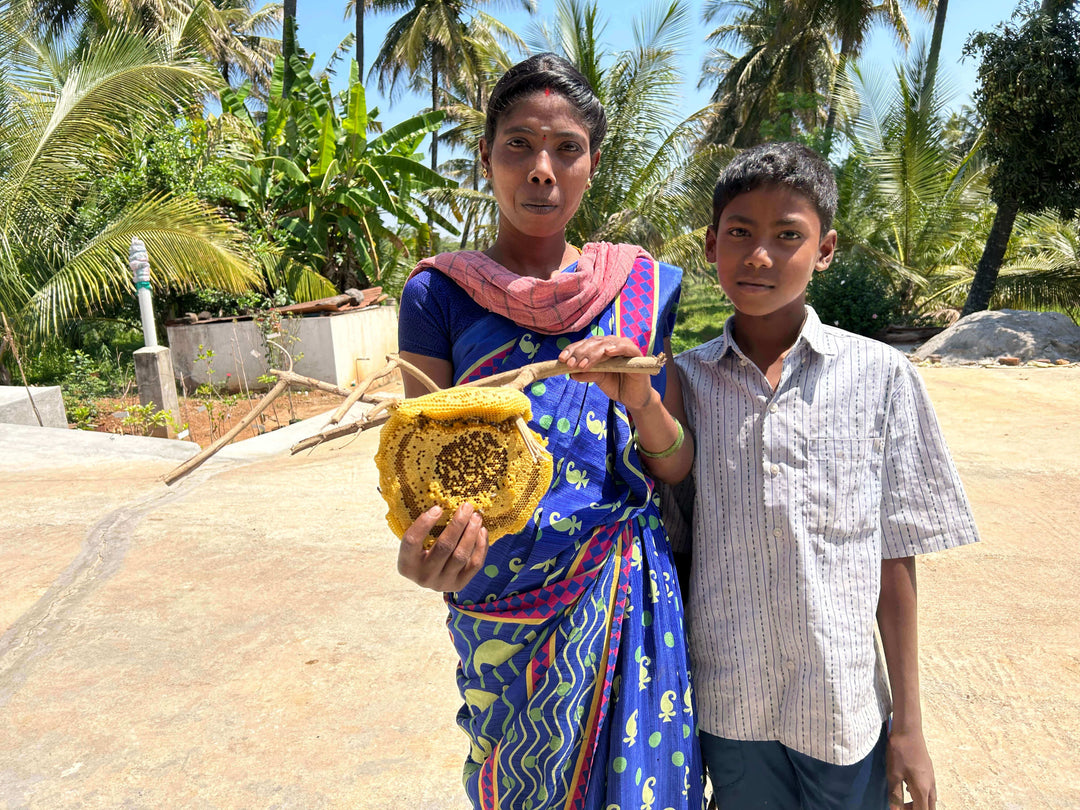
Unlike commercial honey, which is heavily heated and ultra-filtered, Svastya honey is cold-extracted and bottled in its natural form.
This means your jar contains the same natural elements found inside a honeycomb:
-
enzymes
-
pollen
-
trace beeswax
-
natural air bubbles
-
wild yeasts
These wild yeasts naturally exist in raw honey. They are harmless microorganisms similar to those used in fermented foods like:
-
sourdough
-
kefir
-
kombucha
When these yeasts interact with small amounts of moisture, they can trigger slow, mild fermentation.
Why Raw Honey Foams
The foam you see in raw honey is actually carbon dioxide (CO₂).
During natural fermentation:
-
Wild yeasts consume honey sugars
-
They produce carbon dioxide gas
-
The gas rises through the thick honey
-
Tiny bubbles collect at the top
-
This forms the foam layer
This bubbling is very similar to what happens in a sourdough starter.
Foam in raw honey is often a sign that the honey is authentic and unprocessed.
Why Svastya Honey Sometimes Overflows

Sometimes the fermentation produces enough CO₂ to create gentle pressure inside the jar.
This can slowly push honey upward and cause overflow from the lid.
Overflow is more likely when:
High Humidity
During India's monsoon season, ambient moisture can interact with honey and encourage fermentation.
Warm Storage
Wild yeasts become more active at temperatures above 25°C. Honey stored near a stove or sunlight may foam faster.
Natural Nectar Moisture
Different flowers produce nectar with different moisture levels, which is normal for single-origin honey.
Air Entering the Jar
Opening and resealing the jar can introduce fresh oxygen that activates yeast activity.
"In our 12 years of beekeeping across the Western Ghats and Nilgiris, we have never seen processed honey foam.
Foam is nature's certificate of authenticity."
— Svastya Organic Farms Beekeeping Team
Is Foamy Honey Safe to Eat?

Yes — foamy honey is completely safe to consume.
Honey naturally protects itself because it has:
-
Low pH (3.2–4.5)
-
High sugar concentration
-
Low water activity
-
Natural antimicrobial properties
Even when mild fermentation occurs, these properties help preserve the honey.
You might notice:
✔ mild yeasty aroma
✔ small bubbles
✔ foam on top
All of these are normal signs of raw honey activity.
However, if honey smells strongly alcoholic or very sour, fermentation may have progressed further than ideal.
This situation is rare with proper storage.
What To Do With Honey Foam
You can use foamy honey in several ways:
✔ Skim the foam and mix with warm water and lemon for a probiotic tonic
✔ Stir it back into the honey
✔ Use it in herbal teas
Either way, nothing needs to be wasted.
How to Store Svastya Honey to Reduce Foaming
Foaming is natural, but these tips can help keep honey stable.
Store in a Cool Dark Place
Ideal temperature: 18–24°C
Avoid direct sunlight and heat sources.
Keep the Lid Tightly Sealed
This prevents moisture from entering the jar.
Always Use a Dry Spoon
Even a few drops of water can start fermentation.
Avoid Refrigeration
Cold temperatures cause crystallisation, which is also natural.
Consume Within 12–18 Months
Raw honey technically never expires, but freshness is best within this period.
Why Commercial Honey Does Not Foam
Most supermarket honey brands heat honey above 70°C during processing.
This process:
-
kills wild yeast
-
destroys enzymes
-
removes pollen
-
prevents fermentation
-
creates uniform appearance
While this improves shelf stability, it also removes many natural benefits of raw honey.
How Svastya Honey Is Different
Svastya Organic Farms follows a natural, minimal-processing approach.
Our honey is:
✔ Cold extracted below 35°C
✔ Minimally filtered (pollen and propolis remain)
✔ Never blended with sugar syrup
✔ Never mixed with imported honey
✔ Third-party lab tested
This results in honey that is:
-
biologically rich
-
seasonally unique
-
naturally variable
-
full of enzymes
In short, real honey behaves like honey — sometimes foamy, sometimes crystallised, always natural.
Frequently Asked Questions
Is foamy honey safe to eat?
Yes. Foam occurs due to mild natural fermentation in raw honey and does not make it unsafe.
Why does my Svastya honey overflow from the jar?
Overflow occurs when CO₂ from fermentation creates gentle pressure inside the jar.
Does foaming mean honey is spoiled?
No. Foam usually indicates raw honey activity and authenticity.
Why doesn't commercial honey foam?
Commercial honey is heated and filtered, which removes wild yeasts and prevents fermentation.
Can I stop honey from foaming?
Store honey in a cool, dry cupboard, keep the lid sealed, and always use a dry spoon.