Why Premium Wooden Cold Pressed Oils Naturally Cost More Than Regular Oils?
If you grew up in a small Indian town or had grandparents from a village, you may remember the old ghani mill — that corner of the market where fresh oil was pressed right before your eyes. The sound of the wooden churner. The warm, nutty aroma hanging in the air. The way the shopkeeper handed you a steel container of oil that still felt alive with something you couldn't quite name.
Nobody questioned the price back then. Everyone understood that good oil took effort.
Today, a litre of cooking oil sits on a supermarket shelf for a fraction of what you might pay for traditional wooden cold pressed oils. And that price gap has made many of us pause and wonder — are premium cold pressed oils really worth it, or is it just clever marketing?
It's a fair question. And the honest answer lies not in marketing, but in understanding what actually happens between a seed and the oil that reaches your kitchen.
What Are Wooden Cold Pressed Oils?

Wooden cold pressed oils — also called chekku oil or mara chekku oil in South India — are extracted using a traditional wooden ghani or wooden churner that rotates slowly, applying steady pressure to seeds or nuts without generating significant heat.
The process is intentionally unhurried:
- Seeds are fed in small quantities into the wooden press
- The churner rotates at low speed — sometimes animal-drawn, sometimes motorised but kept slow
- Friction remains minimal, so the oil never heats above 40–45°C
- No chemicals, solvents, or additives are involved at any stage
- The oil that emerges is raw, unfiltered, and completely natural
This is how groundnut oil, sesame oil, coconut oil, and mustard oil were made for generations across India. The process respected the seed. And the seed, in return, gave everything it had.
How Regular Refined Oils Are Made
Industrial oil production operates on a completely different logic — one built around volume, speed, and profit margin, not nutrition.
Here's what typically happens:
- Seeds are processed at high temperatures (often 150–200°C) to extract maximum oil
- Chemical solvents like hexane are used to pull out residual oil from the seed cake
- The extracted oil is then bleached to remove colour and deodorised to mask the smell of heat damage
- Preservatives and additives are introduced to extend shelf life
At every stage, the focus is on yield. And at every stage, something is quietly lost — natural antioxidants, vitamins, flavour, aroma, and the essential character of the seed itself.
The result is a product that pours cleanly, looks uniform, and costs very little. But it carries very little of what nature originally put into that seed.
Why Wooden Cold Pressed Oils Naturally Cost More
This is where the real story lives.
Traditional oils are not expensive because brands want higher profits. They cost more because purity itself takes time — and time, in industrial food production, is the first thing that gets cut.
Here's what drives the cost of genuine wood pressed oils:
- Lower oil yield: Cold pressing extracts less oil per kilogram of seeds compared to solvent extraction. More seeds are needed to produce the same volume.
- Slow batch production: A wooden ghani processes small quantities at a time. There is no high-speed industrial shortcut.
- Quality raw materials: Authentic cold pressed oils start with better seeds — often organically grown, carefully sourced, and stored properly.
- No fillers or extenders: What you get is 100% oil from that seed, nothing more.
- Skilled craftsmanship: Running a traditional ghani well requires knowledge, patience, and consistent attention that machinery cannot fully replace.
- No chemical assistance: Every step relies on mechanical pressure and time alone — which is slower and more resource-intensive by nature.
When you understand this, the price of premium cold pressed oils begins to make complete sense. You are not paying for a brand name. You are paying for the actual cost of doing things properly.
Nutritional Benefits of Wooden Cold Pressed Oils
Because cold pressing never exposes the oil to damaging heat or chemicals, its nutritional profile remains largely intact.
What this means for you:
- Natural antioxidants (like Vitamin E and polyphenols) survive the extraction process, supporting cellular health
- Healthy fats — including omega-3 and omega-6 fatty acids — remain in their natural, unoxidised form
- Natural aroma and flavour make these oils more satisfying to cook with, often meaning you use less
- Better digestion — the body recognises and processes minimally processed fats more efficiently
- No residual solvents — chemical-free cooking oil means no hexane or bleaching agents entering your food
Healthline notes that cold pressed extraction retains significantly more bioactive compounds than heat-based methods.
Refined Oils vs Wooden Cold Pressed Oils
| Feature | Wooden Cold Pressed Oils | Refined Industrial Oils |
|---|---|---|
| Extraction Process | Slow wooden ghani / mechanical press | High-speed industrial processing |
| Heat Used | Low (below 45°C) | High (150–200°C+) |
| Chemicals Involved | None | Solvents, bleach, deodorisers |
| Nutrient Retention | High — vitamins, antioxidants intact | Significantly reduced |
| Taste & Aroma | Rich, natural, seed-authentic | Neutral, flat |
| Purity | 100% seed oil | Chemically refined |
| Shelf Stability | Natural — moderate shelf life | Extended artificially |
| Health Value | High | Compromised by processing |
| Cost | Higher — reflects real production cost | Lower — mass-produced |
Why Traditional Food Wisdom Matters Today
There's a quiet shift happening in how many Indian families are thinking about food. After years of chasing convenience, people are beginning to ask different questions — not just what does this cost? but what does this cost me?
Choosing natural oils over refined ones is part of that shift. It's not about being nostalgic for the past. It's about recognising that some things the past got right — and that the slow, respectful processing of food is one of them.
Paying more for healthy cooking oils made the traditional way is not a luxury. It is, over time, an investment in fewer compromises — in what you feed your family, in how your body responds, in the kind of food culture you choose to support.
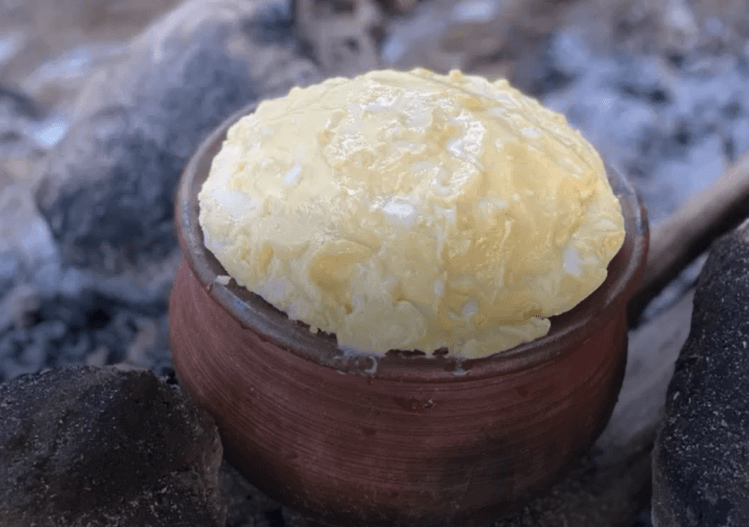
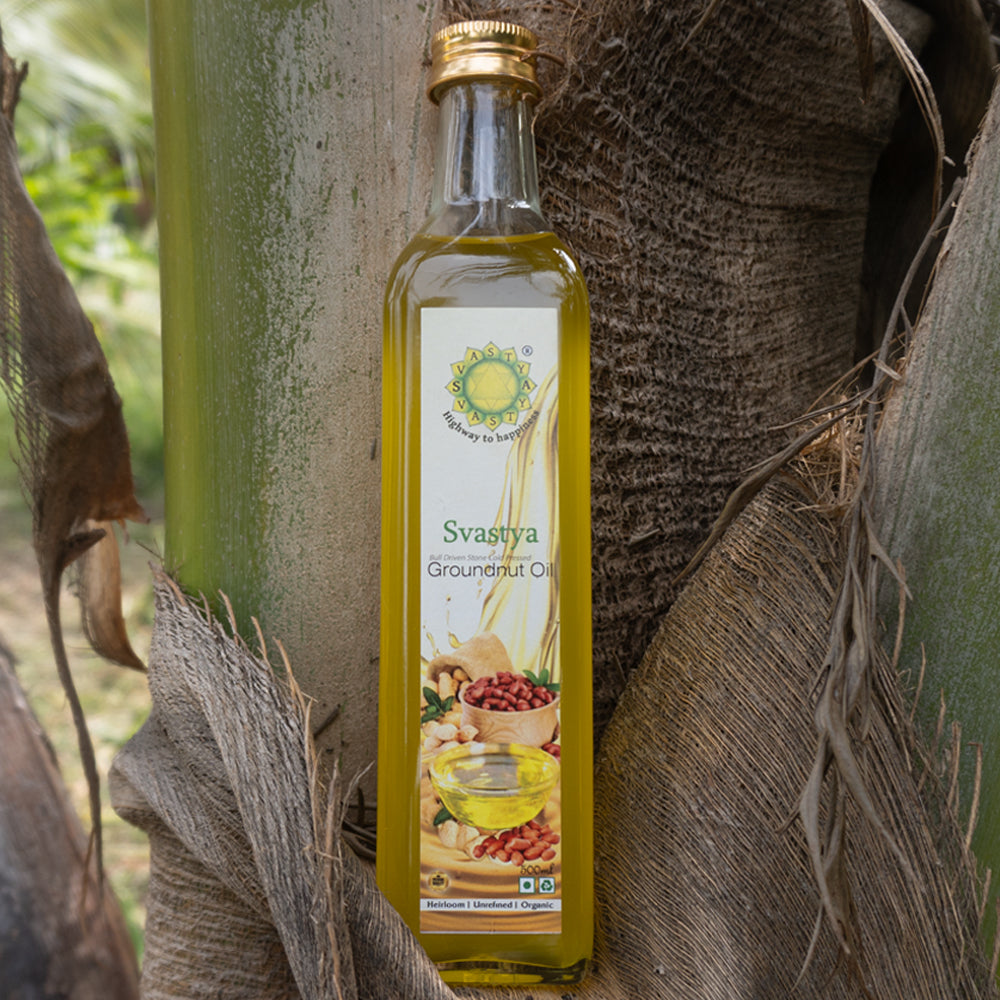
At Svastya Organic Farms, traditional wooden cold pressed oils are prepared with patience and care to preserve the natural goodness of every seed — the same philosophy that guides their A2 Bilona Ghee and their broader commitment to traditional, chemical-free foods.
Conclusion: Pay for Purity, Not Just Price
The cheapest oil on the shelf didn't get that way by accident. It got there by removing everything that made processing slow, careful, and expensive. And unfortunately, most of what was removed — the nutrients, the natural fats, the flavour — is exactly what your body was supposed to receive.
Wooden cold pressed oils cost more because real things cost more. Seeds cost more when they're grown well. Time costs more when it isn't rushed. Craftsmanship costs more when it isn't replaced by machines.
When you choose a traditional cold pressed oil, you're not just buying a cooking medium. You're choosing a relationship with your food that is slower, cleaner, and more honest.
Explore Svastya Organic Farms' collection of traditionally made wooden cold pressed oils — and taste the difference that patience makes.
Frequently Asked Questions
Q1. Why are wooden cold pressed oils more expensive than regular oils? Because traditional extraction is slower, produces less oil per batch, requires better quality seeds, and uses no chemical shortcuts. The higher price directly reflects the real cost of purity and craftsmanship — not inflated margins.
Q2. Are wooden cold pressed oils healthier than refined oils? Yes. Because they are extracted without high heat or chemicals, cold pressed oils retain their natural vitamins, antioxidants, and healthy fats — all of which are significantly reduced during industrial refining.
Q3. Can wooden cold pressed oils be used for everyday cooking? Absolutely. Different cold pressed oils suit different uses — groundnut and coconut oil for everyday cooking and sautéing, sesame oil for medium heat and finishing, mustard oil for traditional Indian recipes. They are practical, flavourful, and nourishing for daily use.