What Makes Milk-Based Virgin Coconut Oil Different from Regular Coconut Oil?
There was a time when cooking oil wasn't something you simply bought off a shelf. Grandmothers knew which coconuts to pick, how long to let the milk rest, and when the oil had separated just right. It was slow work — patient, careful, and done with the kind of respect for ingredients that has quietly disappeared from most kitchens today.
Somewhere along the way, we traded that patience for convenience. And in doing so, we lost something harder to measure than a nutrient — we lost purity.
So when people today ask about milk based virgin coconut oil, they're really asking a deeper question: Is there a way to get back to food that actually nourishes?
The answer is yes. But first, let's understand what makes this oil genuinely different.
What Is Milk-Based Virgin Coconut Oil?

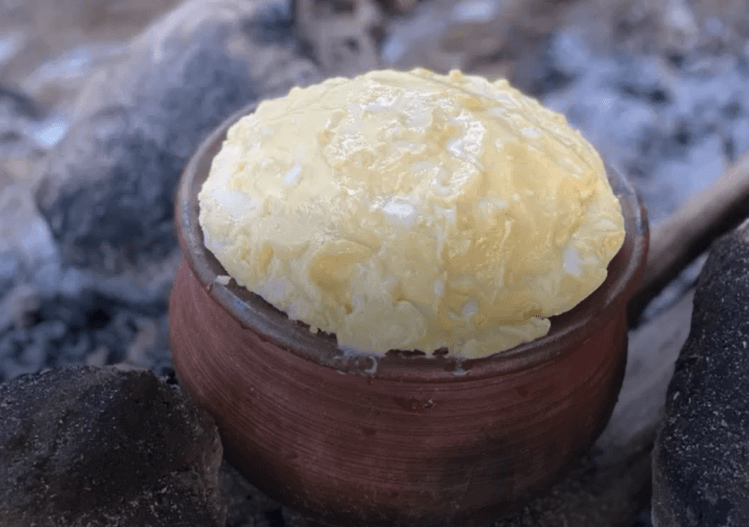
Milk based virgin coconut oil is made from fresh coconut milk, not dried coconut meat. Fresh coconuts are grated, the milk is pressed out, and then this milk is either fermented naturally or gently churned — allowing the oil to separate on its own, with zero involvement of heat or chemicals.
This is cold processed coconut oil in its purest form.

What you get at the end is an oil that:
- Retains its natural aroma (a soft, fresh coconut scent)
- Carries a light, delicate flavour
- Preserves its full spectrum of nutrients — lauric acid, MCTs, antioxidants, and fat-soluble vitamins
- Contains no bleaching agents, deodorisers, or synthetic additives
It is, quite simply, coconut oil the way it was always meant to be made.
How Is Regular Coconut Oil Usually Made?
Most coconut oils sold in supermarkets today begin not with fresh coconuts, but with copra — dried coconut meat that has often been stored for weeks or months before processing.
To extract oil from copra, manufacturers rely on:
- High heat and industrial expellers that strip away natural goodness
- Chemical solvents to increase yield
- Bleaching and deodorising processes to mask the stale smell of old copra
- Refining steps that leave the oil looking clear and neutral — but nutritionally hollow
The result is a product that looks like coconut oil and may even cook like it, but shares very little with what your grandmother would have recognised.
Key Differences: Milk Based Virgin Coconut Oil vs Regular Coconut Oil

| Feature | Milk Based Virgin Coconut Oil | Regular Refined Coconut Oil |
|---|---|---|
| Source | Fresh coconut milk | Dried copra |
| Extraction Method | Cold fermentation / churning | High-heat industrial pressing |
| Processing Temperature | Ambient / low | High (180–200°C+) |
| Chemicals Used | None | Solvents, bleach, deodorisers |
| Aroma | Natural, fresh coconut | Neutral or artificial |
| Taste | Mild, naturally sweet | Bland or refined |
| Nutrient Retention | High (MCTs, lauric acid intact) | Significantly reduced |
| Texture | Smooth, light | Often heavy |
| Purity | Chemical-free coconut oil | Chemically refined |
| Shelf Life | Naturally stable | Artificially extended |
Health Benefits of Milk Based Virgin Coconut Oil

Because the oil is never exposed to high heat or chemicals, its natural compounds remain fully intact. Here's what that means for your body:
- Medium-Chain Triglycerides (MCTs): Rapidly absorbed for energy, supporting metabolism and brain function. Research from Healthline on MCTs and coconut oil supports their role in healthy fat metabolism.
- Lauric Acid: Makes up nearly 50% of the fat content — known for its antimicrobial and immune-supporting properties.
- Gut Health: Gentle on the digestive system, traditionally used to soothe digestion and support gut lining.
- Skin & Hair Nourishment: Applied topically, it absorbs deeply without clogging pores — a time-tested remedy across coastal Indian households.
- Better Absorption: Being chemical-free coconut oil, the body recognises and processes it more efficiently than its refined counterpart.
Why Traditional Processing Matters
There's something the industry rarely talks about: the oil carries the memory of how it was made.
When you slow-ferment fresh coconut milk, when you let nature do the separating, when you resist the urge to add heat "just to speed things up" — you end up with an oil that still holds the intelligence of the coconut itself.
Traditional coconut oil made this way has been part of Indian kitchens for centuries — not as a health trend, but as everyday nourishment. It supported mothers, children, elders. It was used in cooking, in hair care, in rituals. It was trusted because it was known.
At Svastya Organic Farms, the focus remains on preserving exactly this kind of preparation — where the process is as important as the product, and where no shortcut is worth compromising purity. Much like their A2 Bilona Ghee, which is made using traditional churning from cultured curd, their oils follow the same philosophy: slow, intentional, and honest.
Conclusion: Choose What Your Body Recognises
The difference between milk based virgin coconut oil and regular coconut oil isn't just about nutrients on a label. It's about what you choose to bring into your kitchen — and ultimately, your body.
Food made with patience tastes different. It feels different. And over time, it does different things for your health.
If you're ready to return to oil that hasn't forgotten where it came from, explore Svastya Organic Farms' collection of traditionally made natural oils — crafted with care, the old way, for the way you want to live.
Frequently Asked Questions
Q1. Is milk based virgin coconut oil healthier than regular coconut oil? Yes. Because it is cold processed and chemical-free, milk based virgin coconut oil retains significantly more nutrients — including MCTs, lauric acid, and antioxidants — compared to heat-refined, chemical-processed regular coconut oil.
Q2. Can milk based virgin coconut oil be used for cooking? Absolutely. It works beautifully for low to medium-heat cooking, sautéing, and as a finishing oil. Its natural flavour also makes it ideal for raw use in smoothies, dressings, or simply on toast.
Q3. Does virgin coconut oil contain chemicals or preservatives? Genuine cold processed virgin coconut oil — like the milk based variety — contains no chemicals, bleaching agents, or preservatives. Its natural lauric acid content acts as a built-in preservative, keeping it stable without any artificial intervention.