A2 Bilona Ghee for Cooking: Traditional Ways to Use Cultured Ghee in Indian Recipes
A spoon of ghee on hot rice always melts faster than you expect. It slides down the sides of the mound, pools at the edge of the plate, and carries a nutty, buttery aroma straight to your nose. Nobody has to say "enough". You just know when it is right. That small moment is why A2 Bilona ghee for cooking has never gone out of style in Indian homes. As Navaratri brings lamps, sweets and long family meals, ghee quietly shows up in almost every one of them. Here is what makes cultured A2 ghee special and how to use it the traditional way.
What is A2 Bilona ghee?
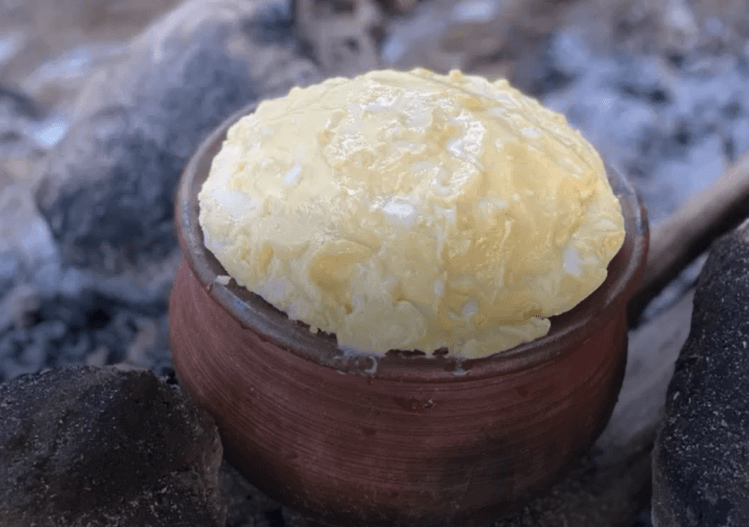
A2 Bilona ghee is clarified butter made from the milk of native Indian cow breeds that naturally produce A2 beta-casein milk. When made by the bilona method, the milk is set into curd, churned into butter and slowly simmered into golden ghee.
How cultured A2 ghee is made

The bilona method is slow by design. Fresh milk from native breeds, such as the Kangeyam cow, is boiled, cooled and set into curd overnight. The curd is churned by hand with a wooden churner to separate butter, and that butter is gently heated until the milk solids settle and the ghee turns clear and golden.
| Step | Bilona (curd-churned) ghee | Cream-based ghee |
|---|---|---|
| Starting point | Milk set into curd | Cream skimmed from milk |
| Churning | Curd churned into butter | Cream churned or heated directly |
| Aroma | Nutty, slightly tangy | Milder, buttery |
| Effort | Slow, small batches | Faster, larger batches |
To learn more about how we make it, browse our A2 bilona ghee collection or read about the general history of ghee.
Traditional ways to use A2 ghee for cooking
- Tempering (tadka or oggarane). Heat a little ghee, add mustard, cumin and curry leaves, and pour it over dal, rasam or sambar.
- Dosa, roti and paratha. Brush ghee on the tawa for crisp edges and a rich fragrance.
- Pongal and khichdi. A generous spoon at the end is how many families finish these dishes.
- Festive sweets. Payasam, holige and laddoos all lean on ghee for roasting nuts and binding flavours.
- Simple rice. Warm rice, salt and ghee is comfort food in its purest form.
If you love a crisp dosa, our post on urad dal and the science behind perfect idli batter pairs well with a spoon of ghee on the side.
Why ghee suits Dussehra traditions
Ghee is not only food. During Navaratri, many homes light a deepam or lamp with ghee each evening, believing it invites warmth and auspiciousness. On Vijayadashami, offerings of sweets and rice are made with ghee, and it appears in many traditional recipes for the feast that follows.
Ghee is also a symbol of purity and abundance in Indian culture, which is why it shows up at weddings, housewarmings and festivals alike. Using it in Dussehra cooking connects your kitchen to a practice that stretches back many generations.
Tips for cooking with A2 ghee
- Store it cool and dry. Use a clean, dry spoon each time and keep the lid tight.
- Do not overheat. Ghee is heat-tolerant, but very high heat can burn the milk solids that remain.
- Use it at the right moment. Add a spoon at the end of cooking for aroma, and use more when frying or roasting.
- Choose small-batch jars. Freshness makes a noticeable difference to flavour.
For festive sweets and savouries, our Full Moon Cultured A2 Kangeyam Cow Bilona Ghee is made in small batches from native Kangeyam cow milk.
A pot of ghee, a pot of memory
Ghee has a way of turning cooking into storytelling. Someone opens the jar and the aroma travels through the house. A child wanders in and asks what is being made. An elder says the dish needs "just a little more". The kitchen becomes a place where recipes are passed on without ever being written down.
During Dussehra, that feeling multiplies. Every plate, every sweet, every lamp is touched by a little ghee, and each one carries a small piece of tradition forward. It is not luxury. It is a way of showing care.
So this festival, if you are choosing one ingredient to be intentional about, let it be your A2 ghee for cooking. Choose it slowly, use it generously where it matters, and let its golden warmth fill your Dussehra table.
About Svastya's Full Moon Cultured A2 Kangeyam Cow Bilona Ghee
Our Full Moon Cultured A2 Kangeyam Cow Bilona Ghee is made from the milk of native Kangeyam cows, set into curd and hand-churned by the traditional bilona method rather than skimmed straight from cream. This slower process draws out a deeper, nuttier aroma, the kind that changes a plain bowl of rice or a batch of festive sweets. Each batch is small, so the ghee stays fresh and full of character by the time it reaches your kitchen. It is ghee made the way your grandparents would recognise.
Frequently Asked Questions
1. What is the difference between A2 ghee and regular ghee?
A2 ghee comes from milk of native cow breeds that produce A2 beta-casein. Regular ghee may come from mixed milk.
2. Is bilona ghee better for cooking?
Bilona ghee has a nutty aroma and is used for tempering, frying and sweets. Choice depends on taste and tradition.
3. Can I use A2 ghee for frying and tempering?
Yes. Ghee has a higher smoke point than butter and is traditionally used for tempering, roasting and shallow frying.
4. How should I store A2 ghee?
Keep it in a clean, dry jar away from direct sunlight and always use a dry spoon.