Organic Food vs Natural Food: What Most Indian Consumers Get Wrong
Introduction: The Confusion on Our Plates-Organic Food vs Natural Food
In India, food is not just nourishment. It is emotion, tradition, and memory. Yet, somewhere between supermarket aisles and flashy labels, confusion has crept in. Organic Food vs Natural Food- these words are often used interchangeably, leaving consumers unsure of what they are really eating.
This blog gently uncovers the difference between organic food and natural food.
Understanding this distinction matters—for your health, your family, and the farmers who grow your food.
What Is Natural Food?
Natural Does Not Always Mean Pure
Natural food generally refers to food that looks close to its original form. It may be minimally processed and free from artificial colors or flavors.
However, natural food is not regulated. This means:
-
Crops may still be grown using chemical pesticides
-
Soil health may be compromised
-
Artificial fertilizers may be used during farming
Natural food appeals to emotion, but it does not guarantee safety or sustainability.
What Is Organic Food?
Organic Is a Commitment, Not a Label
Organic food follows a certified process—from soil to shelf.
True organic farming ensures:
-
No synthetic pesticides or fertilizers
-
No genetically modified seeds
-
Respect for soil, water, animals, and farmers
Certified organic food is audited, traceable, and rooted in long-term well-being.

Organic vs Natural: The Key Differences
Understanding the Reality
-
Natural food: Minimal processing, but farming methods unclear
-
Organic food: Strictly regulated, certified, and transparent
The difference lies not in appearance, but in intention.
What Most Indian Consumers Get Wrong
Marketing Has Replaced Meaning
Many consumers believe:
-
Fresh-looking food is safe
-
Homemade-looking packaging equals purity
-
Higher price automatically means organic
Unfortunately, these assumptions are often shaped by marketing rather than truth.
Inside Svastya Organic Farms: A Journey Back to Trust
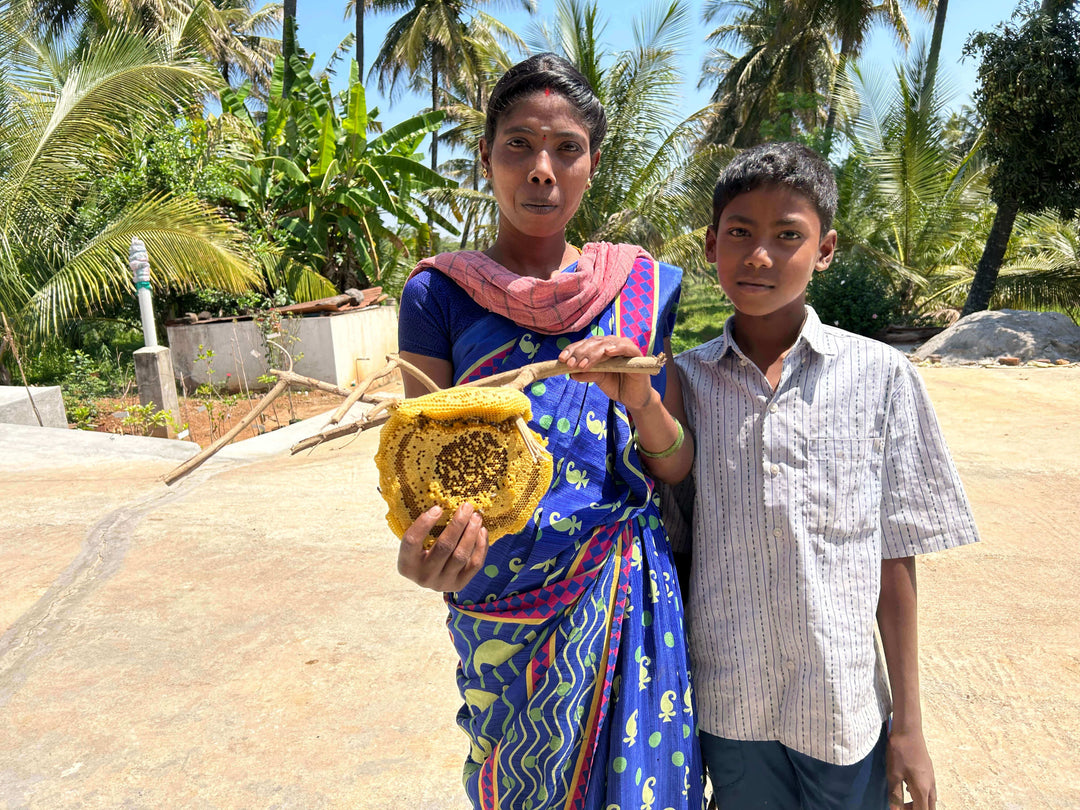
Svastya- Women Driven Rural Organic Farms

Where Food Is Grown with Integrity
Svastya was born from a simple belief—that food should heal, not harm.
Our journey began with soil restoration, indigenous cow care, and farmers who chose patience over shortcuts.
Every product from Svastya Organic Farms reflects:
- Certified organic farming practices
- Ethical sourcing and fair farmer partnerships
- Traditional wisdom blended with modern transparency
This is not just farming—it is responsibility.

Why Choosing Organic Is a Choice for the Future
For Your Family. For the Farmers. For the Earth.
When you choose certified organic food:
- You reduce chemical load on your body
- You support sustainable agriculture
- You preserve soil health for future generations
Organic food is not a trend—it is a return to balance.
How Svastya Helps You Choose Right
Trust Beyond Labels
At Svastya Organic Farms, every product is:
-
Certified by government-approved organic bodies
-
Fully traceable from farm to home
-
Produced with compassion for nature and people
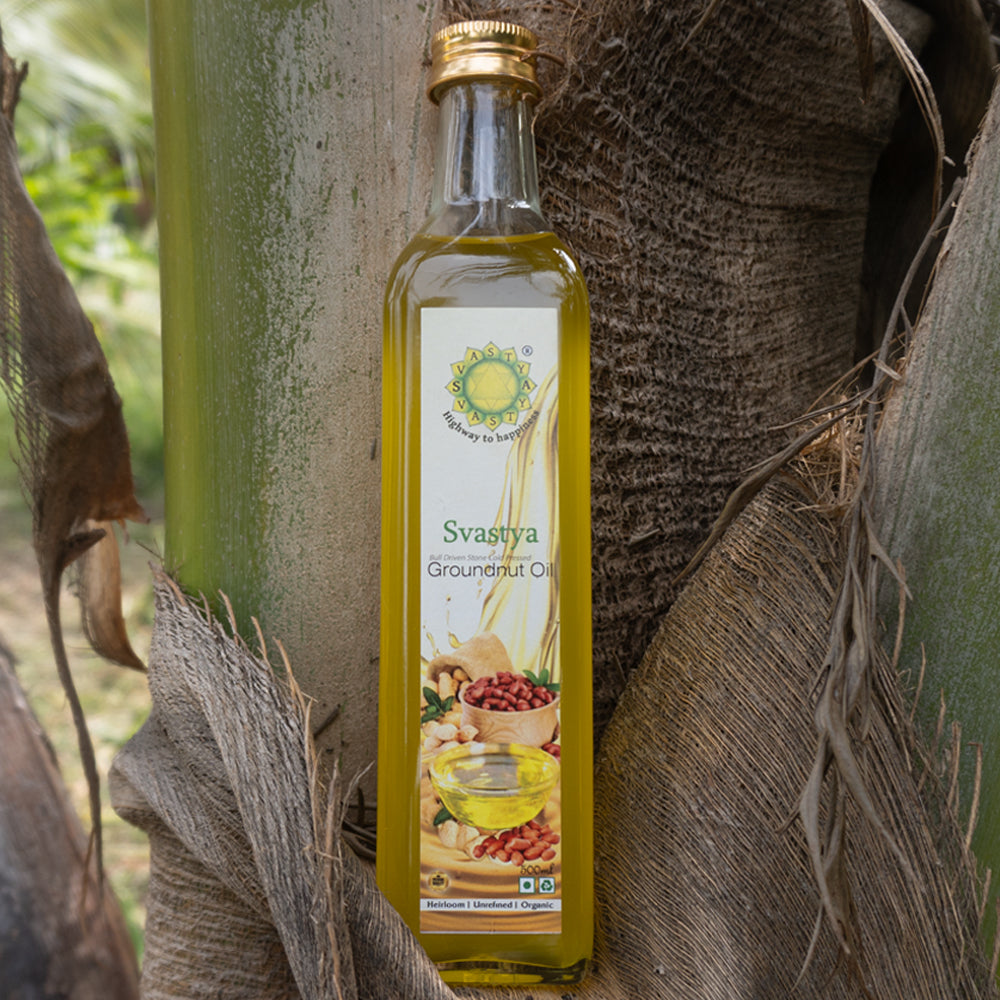
From A2 Cow Ghee to daily staples, we stand for honesty in every jar.
👉 Explore Svastya’s certified organic products like A2 Cow Ghee and daily staples, and experience food the way it was meant to be.

FAQs
Is organic food always better than natural food?
Yes. Organic food follows regulated and certified farming standards, while natural food has no mandatory regulations or audits.
Why is organic food more expensive?
Because it respects natural cycles, fair labor, and chemical-free farming.
How can I identify truly organic food?
Look for valid organic certification, transparency, and brand integrity—like Svastya.
Final Thought:
Food carries energy. When grown with care, it nourishes more than the body—it nurtures trust, health, and harmony.
Svastya Organic Farms — Because purity should never be a compromise.