How to Know If Your Food Is Truly Organic (Not Just Marketed as Organic)
Introduction: Why “Organic” Has Become a Confusing Word
In India today, truly organic food has become one of the most misused labels in food marketing. Walk into any store or scroll online and you’ll see words like natural, chemical-free, and farm fresh. But here’s the uncomfortable truth: many foods sold as organic are organic only in name, not in practice.
So how do you actually know whether the food you’re buying is truly organic — grown, processed, and handled in a way that supports your health and the soil?
This guide breaks it down clearly, without marketing jargon, and takes you inside how Svastya Organic Farms approaches real organic food.
What Does “Truly Organic” Actually Mean?
Truly organic food is not defined by packaging or labels alone.
It is defined by three clear principles:
-
No Synthetic Chemicals at Any Stage
1) No chemical fertilisers, synthetic pesticides, herbicides, artificial preservatives or ripening agents.
2) Organic farming relies on soil biology, compost, natural inputs, and crop rotation — not quick chemical fixes. -
Natural Soil & Crop Care
Healthy food begins with healthy soil. Real organic farms focus on:
1.) Compost and farm-made manure, Microbial soil life, Seasonal cropping instead of forced yields.
2.) If soil is alive, food quality follows. -
. Minimal & Traditional Processing
Organic food should be processed as little as possible.
That means:
1.) No excessive heat,chemical refining, artificial enhancement of colour, aroma, or texture.
2.) If food looks unnaturally perfect or lasts forever on the shelf, it’s worth questioning how it was handled.
Why It’s Hard to Identify Truly Organic Food
Most consumers struggle because:
- Labels are loosely regulated
- “Organic” is often confused with “natural”
- Sourcing details are rarely disclosed
- Processing methods are hidden
- In many cases, ingredients may be organic at the farm level but lose their integrity during industrial processing.
Fake Organic vs Truly Organic: Know the Difference
Marketed Organic:
- Attractive packaging
- Buzzwords like “pure” and “chemical-free”
- Long shelf life
- No clarity on sourcing or processing
Truly Organic:
- Transparent sourcing
- Seasonal availability
- Natural variations in colour and texture
- Shorter shelf life
- Clear explanation of how food is grown and processed

When brands avoid details, that silence usually means compromise.
Key Signs Your Food Is Truly Organic
-
Transparency in Sourcing
Trustworthy organic brands clearly tell you:
Where the food comes from
Who grows it
How it is processed
Vague claims are a red flag.
-
. Clean, Short Ingredient Lists
Truly organic products have:
Fewer ingredients
No artificial additives
No hidden processing agents
If you can’t pronounce half the ingredients, it’s not real food. -
Natural Taste, Colour & Aroma
Truky Organic food doesn’t aim to look identical batch after batch.
Instead, it reflects:
Seasonal variation
Natural fat content
Real aroma and flavour
Uniform perfection usually signals heavy processing.
Inside Svastya Organic Farms: How True Organic Is Practiced

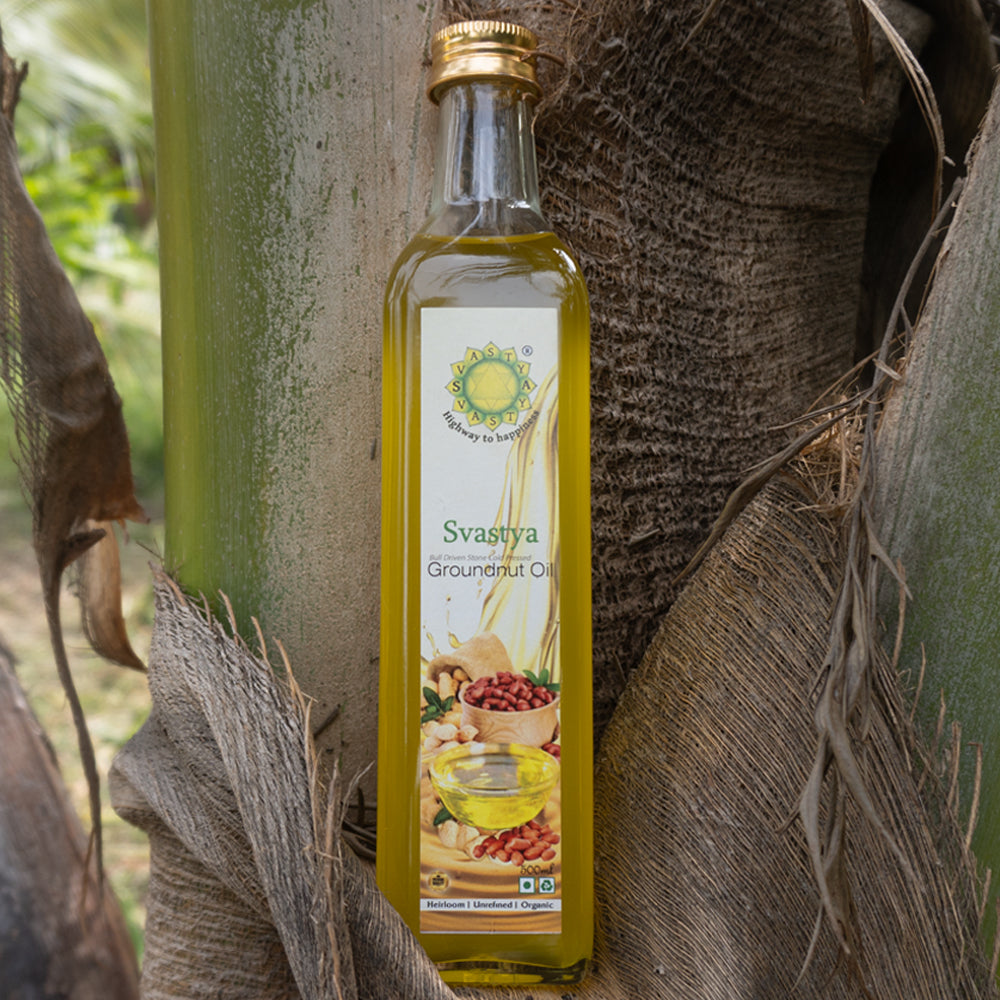
At Svastya Organic Farms, organic is treated as a process, not a marketing claim.
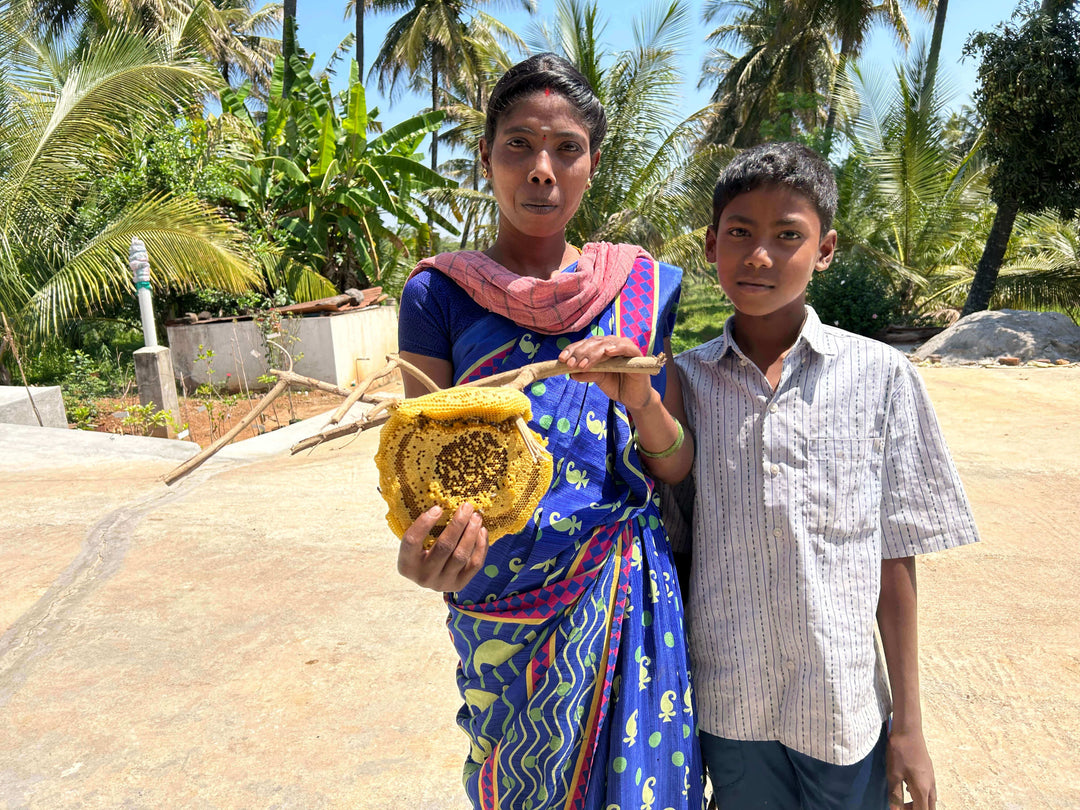
-
Thoughtful Sourcing
Raw materials are sourced from trusted farms that follow natural, sustainable practices. Soil health, crop quality, and ethical farming are prioritised over yield. -
Traditional, Low-Intervention Processing
- Products are prepared using slow, traditional methods that avoid:
- High-temperature refining
- Chemical processing
- Artificial enhancement
- This helps preserve nutrition, taste, and digestibility.
-
Purity Over Appearance
Svastya does not polish food to meet cosmetic standards. Natural variation is respected because real food is never factory-perfect.
This approach is why many families trust Svastya for daily cooking essentials.
It aligns with clean eating and long-term wellness.
👉 Explore Svastya’s organic pantry essentials here:
https://svastyaorganicfarms.com/collections/pantry-staples
Why Choosing Truly Organic Food Matters
Switching to truly organic food can:
- Reduce long-term chemical exposure
- Support digestion and immunity
- Improve nutrient absorption
- Encourage sustainable farming ecosystems
- Organic food is not about trends.
It is about protecting your body and the soil it depends on.

How to Make Better Organic Choices as a Consumer
Before buying, ask:
- Is the brand transparent about sourcing?
- Are ingredients clearly listed?
- Is processing explained?
- Does the brand value quality over aggressive marketing?
- Informed consumers are the strongest defence against misleading food claims.
You can read more about Svastya’s philosophy and journey here:
https://svastyaorganicfarms.com/pages/the-journey
Final Thoughts
Knowing whether your food is truly organic requires awareness, not blind trust. Labels alone don’t guarantee integrity — practices do.
At Svastya Organic Farms, the focus remains on honesty, traditional wisdom, and food that stays close to nature. When you choose food grown and processed with care, you invest not just in your health, but in a healthier food system.
FAQs
1.How can I check if food is truly organic?
Look beyond labels. Check sourcing transparency, ingredient lists, and processing methods.
2.Is organic food always chemical-free?
Truly organic food avoids synthetic chemicals at all stages — farming and processing.
3.Why does truly organic food look different from regular food?
Because it isn’t artificially enhanced or over-processed.
4.Is truly organic food worth the cost?
Yes — it supports long-term health and sustainable farming, not short-term convenience.