Food, Hormones and Inflammation: Understanding PCOS and Fertility Naturally
PCOS in India: Why Food Matters More Than We Think
Polycystic Ovary Syndrome (PCOS) is the most common hormonal disorder affecting women of reproductive age worldwide.
In India, studies estimate that 18–22% of women live with PCOS, making it one of the most widespread endocrine conditions in the country.
Yet PCOS is often misunderstood.
It is frequently described as a reproductive problem, but in reality it is primarily a metabolic and inflammatory condition that influences hormonal balance.
This distinction is extremely important.
If PCOS is influenced by metabolism and inflammation, then diet and lifestyle become powerful tools for improving the condition from the inside out.
At Svastya Organic Farms, we believe food can play a significant role in restoring hormonal balance naturally.
PCOS by the Numbers
-
1 in 5 Indian women is estimated to have PCOS
-
70% of PCOS cases involve insulin resistance
-
50% of cases remain undiagnosed due to varied symptoms
These statistics highlight why nutrition and early awareness are critical.
What it really means — Beyond the Ovaries

Despite its name, Polycystic Ovary Syndrome is not primarily an ovarian disease.
The ovarian cysts often seen on scans are a symptom, not the root cause.
At its core, PCOS is linked to:
-
impaired insulin signalling
-
chronic low-grade inflammation
-
hormonal imbalance
When the body becomes resistant to insulin, the pancreas produces more insulin to compensate.
High insulin levels trigger the ovaries to produce excess androgens (male hormones such as testosterone).
Elevated androgens interfere with ovulation and disrupt the menstrual cycle.
This hormonal imbalance leads to many of the common symptoms, including:
-
irregular or absent periods
-
acne
-
hair thinning
-
excess facial hair
-
weight gain around the abdomen
Research published in Frontiers in Endocrinology shows that 65–70% of women with PCOS experience insulin resistance, including many women who appear lean.
Key Insight
PCOS is not simply a reproductive condition.
It is often a metabolic signal that the body is under stress.
Because insulin resistance and inflammation drive the condition, dietary and lifestyle changes can address the root cause rather than only the symptoms.
The Connection Between Inflammation and Hormones
Chronic inflammation plays a major role.
Studies consistently show that women with PCOS have elevated levels of inflammatory markers such as:
-
C-reactive protein (CRP)
-
Interleukin-6 (IL-6)
-
Tumor necrosis factor alpha (TNF-α)
These markers remain elevated even in women with normal body weight, suggesting inflammation itself is a core part of the condition.
Inflammation affects:
-
ovarian function
-
egg quality
-
fertility outcomes
Over time, this inflammatory cycle worsens insulin resistance, creating a self-reinforcing loop.
What Causes Inflammation?

Several lifestyle and dietary factors contribute to inflammation and metabolic stress.
Common contributors include:
-
ultra-processed foods
-
refined carbohydrates and sugar
-
industrial seed oils
-
pesticide exposure in food
-
gut microbiome imbalance
-
chronic sleep disruption
Each of these factors can activate the immune system and increase inflammatory signalling.
A major review published in The Lancet Diabetes & Endocrinology describes PCOS as a complex condition influenced by genetic, environmental, and lifestyle factors, highlighting dietary quality as a key modifiable factor.
The Hormone Cycle Explained

High Glycaemic Diet
Refined carbohydrates and sugar cause blood sugar spikes, leading to repeated insulin surges.
Gut Inflammation
Gut dysbiosis and increased intestinal permeability allow bacterial toxins into circulation, triggering systemic inflammation.
Excess Insulin
High insulin signals the ovaries to produce more androgens such as testosterone.
Hormonal Disruption
Elevated androgens alter the LH:FSH ratio, preventing normal follicle development and ovulation.
This cycle explains why insulin balance and inflammation control are central to managing PCOS.
Anti-Inflammatory Foods That Support Recovery
One of the most effective dietary strategies for PCOS focuses on three goals:
-
Lowering glycaemic load
-
Reducing inflammation
-
Supporting a healthy gut microbiome
Several whole foods help achieve these goals.
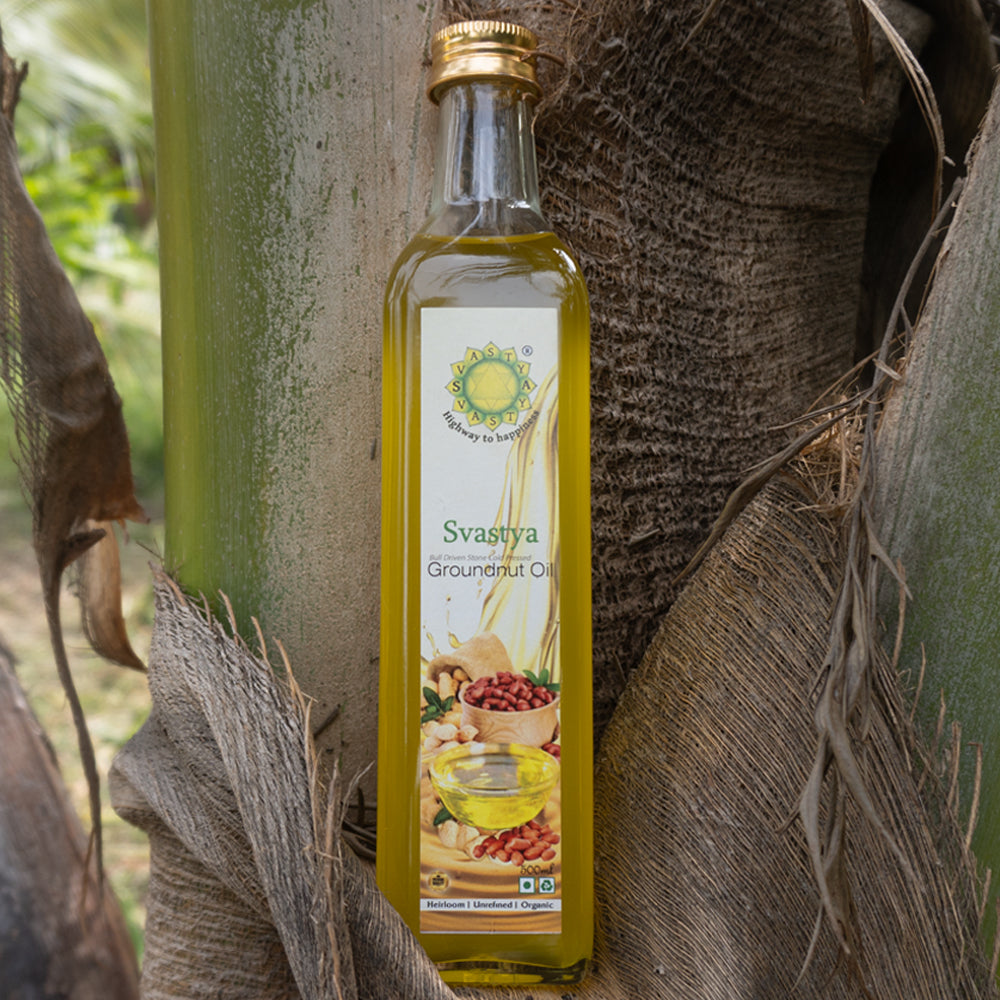
Wood-Pressed Oils

Cold-pressed sesame, groundnut, and coconut oils retain vitamin E and beneficial fatty acids that help reduce inflammation.
Raw Honey (in Moderation)

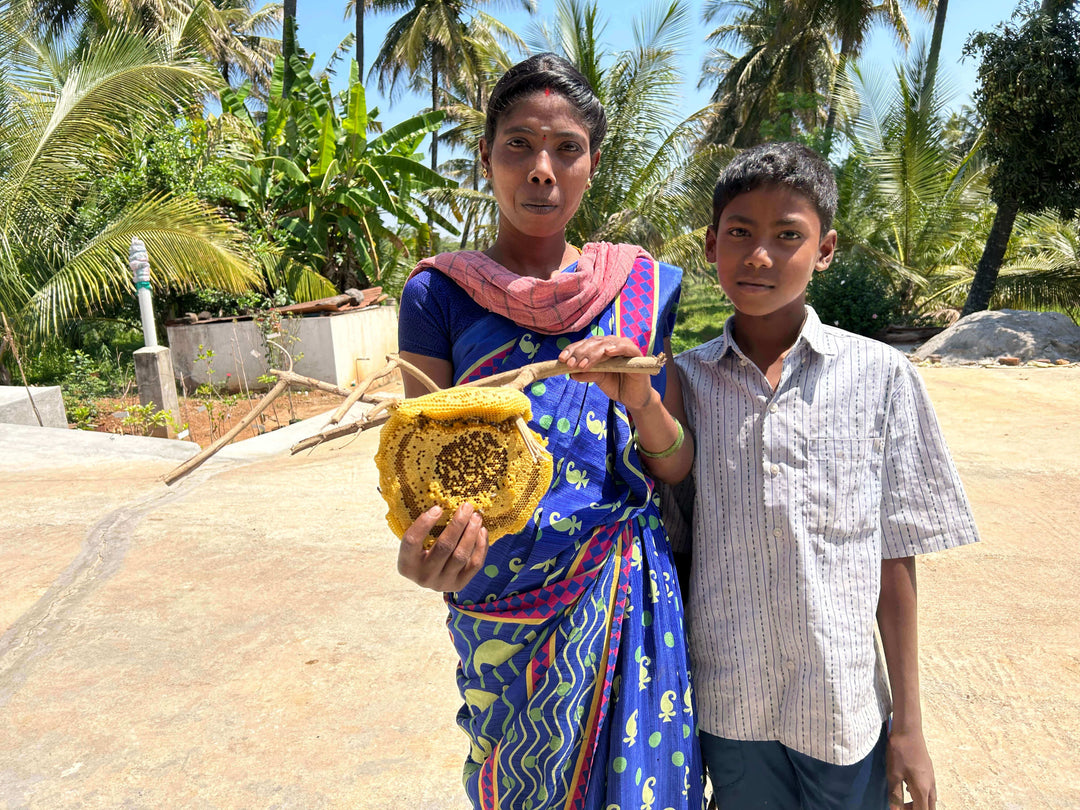
Raw honey has a lower glycaemic index than refined sugar and contains prebiotic compounds that support beneficial gut bacteria.
A2 Nut Butters
Rich in magnesium, zinc, and tryptophan — nutrients involved in hormone production and menstrual cycle regulation.
Millets and Whole Grains
Grains such as ragi, jowar, and bajra have significantly lower glycaemic indices than refined wheat flour or polished rice.
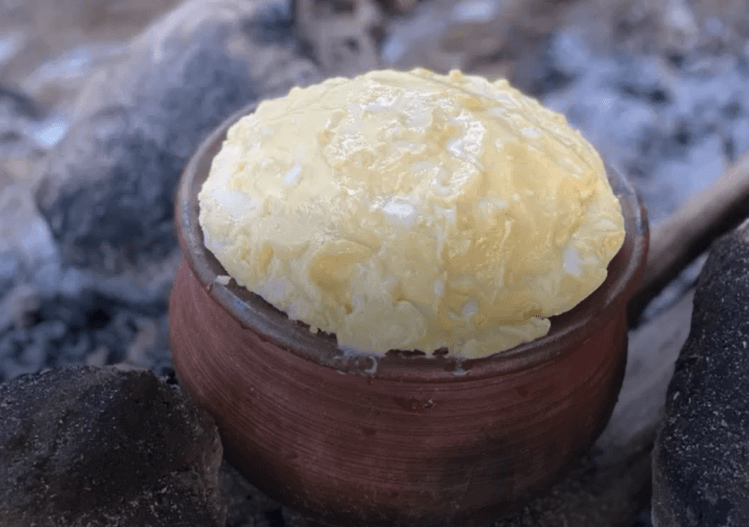
Organic A2 Ghee

Ghee contains butyrate, a compound that supports gut lining health and reduces inflammation.
It also provides fat-soluble vitamins A, D, and K2, which are important for hormonal balance.
Berries and Colourful Vegetables
Plant compounds like anthocyanins and quercetin help suppress inflammatory cytokines associated with hormonal imbalance.
Choosing organic produce whenever possible helps minimise exposure to pesticides that may disrupt endocrine function.
Foods That Worsen the Symptoms
Reducing certain inflammatory foods is just as important as adding beneficial ones.
Refined Sugar and High-Fructose Corn Syrup
These sugars cause rapid insulin spikes and increase fat accumulation in the liver.
Refined Flour (Maida)
Refined wheat flour converts quickly to glucose in the bloodstream due to its lack of fibre.
Whole grains such as ragi, jowar, and whole wheat are better alternatives.
Industrial Seed Oils
Highly refined oils such as sunflower, soybean, and refined canola oil contain high levels of omega-6 fatty acids that may promote inflammatory pathways.
Pesticide-Contaminated Produce
Certain pesticides act as endocrine disruptors, interfering with hormone receptor signalling.
Choosing certified organic food reduces this exposure.
A1 Dairy Products
Milk containing A1 casein may cause digestive inflammation in some individuals. Switching to A2 dairy and ghee can help reduce this trigger.
“Diet is not a secondary intervention in Polycystic Ovary Syndrome — it is a primary one. The evidence now clearly supports dietary quality as a frontline tool in managing insulin resistance and restoring ovulatory function.”
— Summary of findings, Journal of Clinical Endocrinology & Metabolism (2022)
Polycystic Ovary Syndrome, Fertility, and the Role of Organic Food
Fertility outcomes in Polycystic Ovary Syndrome are closely linked to regular ovulation, which depends on balanced insulin and hormone levels.
A randomized controlled trial published in Nutrients found that women with Polycystic Ovary Syndrome following a low-glycaemic, anti-inflammatory diet experienced significant improvements in menstrual regularity and ovulation within 12 weeks, even without medication.
Choosing organic, minimally processed foods can further support hormonal health by reducing chemical exposure and preserving nutrients.
Cold-pressed oils, A2 ghee, and whole grains provide the nutrient density needed for hormonal regulation.
At Svastya Organic Farms, these principles guide the sourcing and production of every product.
Nourish Your Hormones Naturally
Food choices can influence inflammation, insulin sensitivity, and hormonal balance.
Choosing organic, whole, minimally processed foods helps create the biological environment needed for healthy ovulation and fertility.
Svastya’s range of cold-pressed oils, A2 ghee, raw honey, millets, and nut butters is designed to support intentional, food-first wellness.
Frequently Asked Questions
Can Polycystic Ovary Syndrome be managed through diet alone?
Diet and lifestyle changes can significantly improve insulin resistance and hormonal balance, but treatment plans should always be guided by medical professionals.
Is jaggery better than white sugar for women with Polycystic Ovary Syndrome?
Jaggery contains minerals and undergoes less processing than white sugar, though it should still be consumed in moderation.
Why does Polycystic Ovary Syndrome cause weight gain?
Insulin resistance promotes fat storage, particularly around the abdomen, which contributes to weight gain in many women with PCOS.
Which nutrients are important for PCOS and fertility?
Magnesium, zinc, omega-3 fatty acids, vitamin D, and antioxidants all play roles in hormone balance and reproductive health.
Does gut health influence PCOS?
Yes. The gut microbiome affects inflammation, insulin sensitivity, and hormone metabolism.
Why is A2 ghee recommended for hormonal health?
A2 ghee contains beneficial fatty acids and fat-soluble vitamins that support gut health and hormone production.