Dussehra Sweets with Jaggery: Traditional Indian Desserts for the Festive Season
There is a sound you only hear in a festival kitchen. It is the soft glug of jaggery melting in a wide vessel, the scrape of a ladle against steel, and then, a few moments later, a smell that no candle can copy. Dark, caramel-sweet and a little smoky. That smell means Dussehra is near. Across India, Dussehra sweets with jaggery have been part of the celebration for generations, and this guide explains the most loved ones, why jaggery is chosen, and how to cook with it well.
What are Dussehra sweets with jaggery?
Dussehra sweets with jaggery are traditional festive desserts, such as sakkarai pongal, payasam, holige and adhirasam, sweetened with unrefined jaggery instead of white sugar and flavoured with ghee and cardamom.
Why jaggery sits at the heart of Dussehra sweets

Navaratri honours the goddess over nine nights, and Vijayadashami on the tenth day celebrates victory. Each evening, homes prepare offerings, or naivedyam, and sweetness is central to almost all of them. In grand celebrations like Mysuru Dasara, the whole city seems to smell of festival food.
Jaggery is made by boiling sugarcane juice until it thickens and sets, without the refining steps used for white sugar. That is why it keeps a darker colour and a rounder, earthier flavour. For centuries, it has been the default sweetener in South Indian festival cooking.
Traditional Dussehra sweets with jaggery to try
- Sakkarai pongal. Rice and moong dal cooked soft, then folded into jaggery syrup with ghee, cardamom and roasted cashews.
- Payasam. Milk or coconut milk simmered with rice, vermicelli or lentils and finished with jaggery. Our Karuppu Kavuni Payasam uses black heirloom rice.
- Holige (obbattu). A flatbread stuffed with a sweet lentil and jaggery filling, roasted with ghee. A festival favourite across Karnataka.
- Adhirasam. A fried rice and jaggery sweet with a chewy centre and crisp edges.
- Chikki. Roasted peanuts or sesame set in hardened jaggery.
Jaggery versus white sugar in festive cooking
| Feature | Jaggery | White sugar |
|---|---|---|
| Processing | Boiled and set, unrefined | Refined and crystallised |
| Flavour | Earthy, caramel, molasses notes | Neutral sweetness |
| Colour in sweets | Deep golden to brown | Pale |
| Best for | Payasam, pongal, holige, chikki | Delicate desserts needing a light colour |
Both have their place in a kitchen. For a sweet that is meant to taste like a traditional festival, though, jaggery brings something sugar cannot.
How to cook with jaggery without spoiling the sweet
- Melt and strain. Dissolve jaggery in a little water and pass it through a fine strainer to remove grit.
- Boil to the right stage. For pongal and payasam, a simple melted syrup is enough. For adhirasam, the syrup needs a soft thread consistency.
- Add milk carefully. Hot jaggery can curdle milk, so let it cool for a minute first.
- Finish with ghee and cardamom. A spoonful of A2 bilona ghee and freshly crushed white cardamom turn a simple sweet into a festival one.
We explore the ghee, jaggery and cardamom trio in more depth in this guide.
Sweetness that says "you belong here"
Ask anyone who grew up around Navaratri what they remember, and many will not talk about the rituals first. They will talk about a plate. A small steel plate handed to a visiting neighbour, with a little sundal and a piece of something sweet.
That is the quiet power of Dussehra sweets with jaggery. They are made in large quantities on purpose, because a festival is not meant to be celebrated alone. The sweet leaves the kitchen, travels down the street, and returns as a plate from someone else's home. Nobody counts. Everyone remembers.
In a season when so many of us buy sweets in boxes, making even one at home changes the feeling of the day. It teaches children patience. It gives elders a reason to share recipes. And it turns a simple ingredient, boiled cane juice, into a way of saying: come in, sit down, have something sweet.
This Dussehra, let the jaggery melt slowly and let the kitchen do what it has always done best. Bring people together.
About Svastya's A2 Bilona Ghee
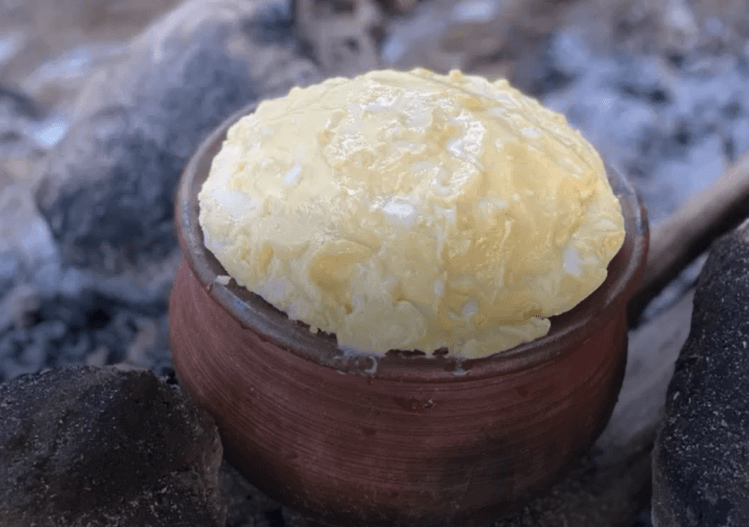
No jaggery sweet feels complete without a spoon of good ghee, and Svastya's A2 Bilona Ghee is made the traditional way: milk from native desi cows is set into curd, hand-churned into butter, and slow-simmered into ghee, the way it has been made in Indian kitchens for generations. This bilona method gives it a rounder, nuttier aroma than quick, cream-based ghee, which is exactly what a pongal or a holige needs to taste truly festive. A jar of it belongs beside the jaggery in every Dussehra kitchen.
Frequently Asked Questions
1. Which sweets are made with jaggery for Dussehra?
Popular choices include sakkarai pongal, payasam, holige, adhirasam and chikki, though every region has its own favourites.
2. Why is jaggery preferred over sugar in traditional sweets?
Jaggery adds a deeper, earthier flavour and is the traditional sweetener in many South Indian festival recipes.
3. How do I stop jaggery from curdling milk in payasam?
Strain the syrup and let it cool for a minute before adding milk. Then keep the heat low.
4. Can I store jaggery sweets after Dussehra?
Most freshly made sweets keep for a day or two at room temperature. Chikki and adhirasam last longer in airtight containers.