What Is Organic Pest Management? Natural Ways to Protect Crops
What Is Organic Pest Management?
Organic pest management uses non-synthetic methods to prevent, reduce, and control pests while protecting beneficial insects and the surrounding ecosystem.
On every farm, insects and bugs are unavoidable. Some insects are beneficial and essential to farming systems. They help with pollination and prey on harmful pests. Other insects, however, can damage crops and reduce yields.
Pests can affect both the quality and quantity of fruits and vegetables. In severe cases, pest damage can destroy entire crops. To manage this, conventional farming relies on toxic chemical pesticides. Organic farming takes a different approach.

The Role of Beneficial Insects
Beneficial insects play a key role in organic farming systems. Predators such as ladybugs, lacewings, and parasitic wasps feed on harmful pests and help keep populations under control.
By supporting beneficial insects, farmers reduce the need for chemical interventions. Healthy biodiversity creates natural balance within the farm environment.

Pest Management Strategies
Prevention is always the first line of defence. Strong, healthy plants grown in nutrient-rich soil are naturally more resistant to pest pressure.
Organic farmers use a combination of strategies, including:
-
encouraging beneficial insects and natural predators
-
practicing crop rotation to break pest cycles
-
selecting pest-resistant crop varieties
-
using mechanical controls such as traps and barriers
-
deploying pheromones to disrupt insect mating
Sticky cards are often placed in fields to monitor pest populations and identify emerging problems early.
When pest pressure becomes severe, organic-approved sprays may be used. These are applied carefully and only when other methods have failed. Broad, non-specific sprays are always a last resort.

Why Organic Pest Management Matters
Chemical pesticides contaminate air, soil, and water. They also kill beneficial insects, reduce biodiversity, and disrupt entire ecosystems.
Organic pest management focuses on working with nature rather than against it. By using multiple natural strategies, farmers reduce reliance on toxic chemicals and protect long-term farm health.
The benefits include healthier crops, stronger ecosystems, lower environmental impact, and safer food systems for everyone.
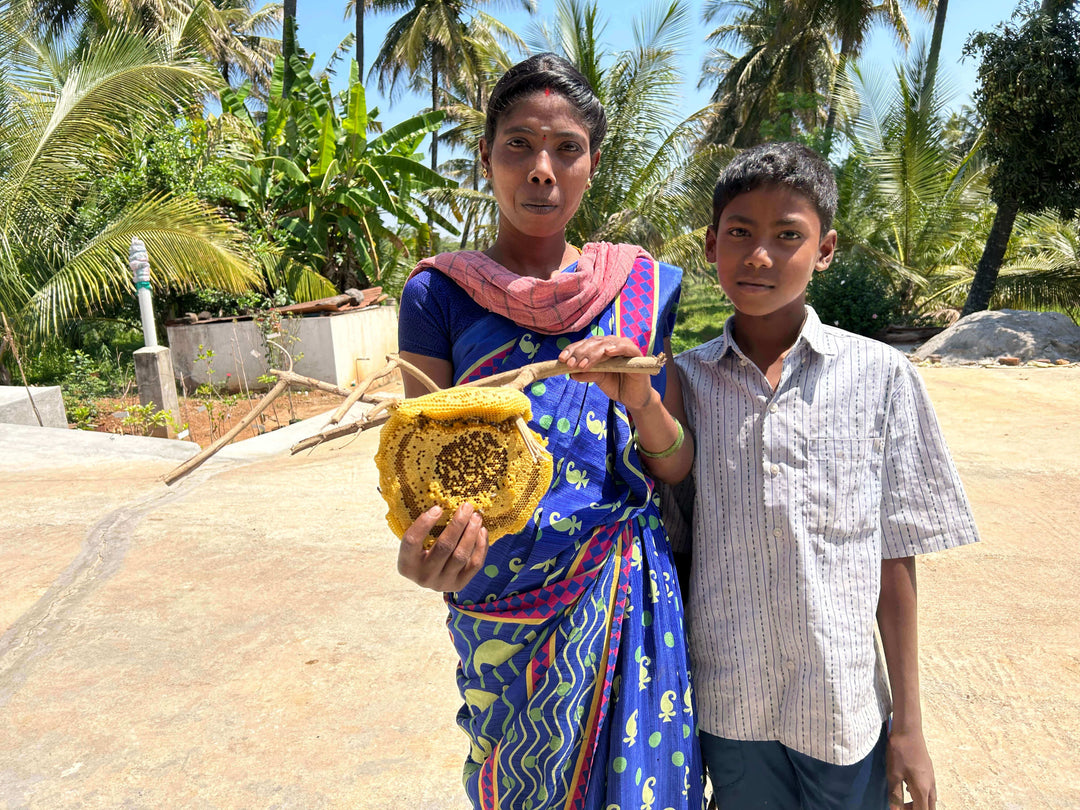
At Svastya Organic Farms, organic pest management is practiced as part of a larger system that prioritises soil health, biodiversity, and long-term farm resilience. By working with natural processes instead of chemical shortcuts, the farm supports healthier crops and a balanced ecosystem.