What is Full Moon Ghee? Benefits, Truth & Ayurvedic Science Explained
If you've been scrolling through wellness communities lately, you may have noticed a quiet buzz building around full moon ghee. Some call it the most potent form of traditional ghee. Others wonder if it's simply clever marketing dressed in spiritual language.
The truth, as with most things rooted in Ayurveda, is more nuanced and more interesting than either extreme. Let's cut through the noise and look at what full moon ghee actually is, where the idea comes from, and what the real benefits are.
What is full moon ghee?

Also known as Purnima ghee — is traditionally made or processed in alignment with the full moon cycle. The core product is cultured bilona ghee: ghee made from the curd of A2 milk, hand-churned using the traditional wooden bilona, and slow-cooked to golden clarity.
What sets it apart is the timing. Some producers begin culturing the curd, churn the butter, or complete the final cooking on or around the full moon night — following a belief rooted in Ayurveda that lunar energy enhances the qualities of food prepared under its influence.
It is important to be clear: the ghee-making process itself does not change. The milk source, the fermentation, the bilona churning, and the slow cooking are identical to traditional cultured ghee. The distinction is one of timing and intention — which Ayurveda considers significant, even if modern science has not yet fully studied it.
The process: how it is made
The foundation of full moon ghee is the same as any authentic cultured bilona ghee:
- Fresh A2 milk from indigenous cows is collected and boiled gently
- The milk is cultured overnight into curd using a natural starter
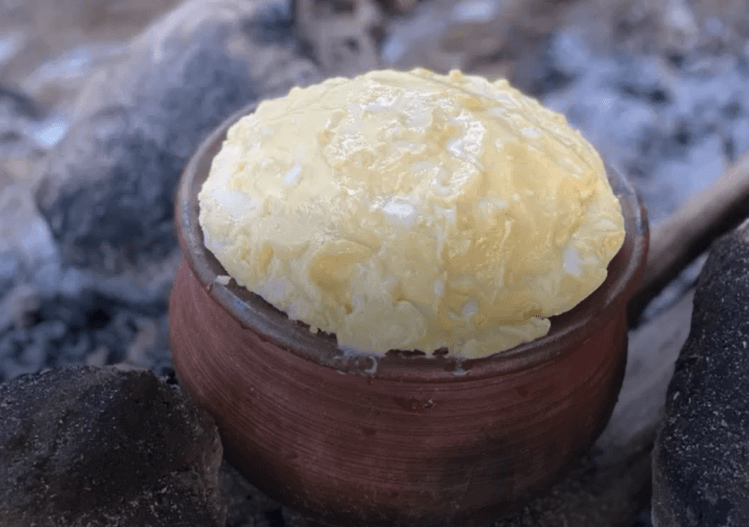
- The curd is hand-churned using a traditional wooden bilona to extract white butter
- The butter is slow-cooked on a low flame until it clarifies into ghee
This process is timed to coincide with the Purnima cycle — often beginning the culturing a day or two before the full moon and completing the cooking on the full moon night itself. Some traditional makers also expose the finished ghee to moonlight overnight, a practice called Chandra Amrit Siddhi in classical texts.
Ayurvedic perspective: does the full moon matter?
Ayurveda views the human body as deeply connected to natural rhythms — seasonal, daily, and lunar. The full moon (Purnima) is considered a time of heightened energy, increased fluid retention in the body, and amplified mental and emotional sensitivity.
Classical Ayurvedic texts describe the full moon as a period when sattvic (pure, harmonious) qualities are at their peak in nature. Foods prepared during this window were believed to absorb this quality — making them more nourishing, calming, and easier to assimilate.
Modern science has not conclusively proven that lunar cycles affect food composition. However, emerging research into chronobiology — the study of how biological systems respond to time cycles — does suggest that natural rhythms influence fermentation, plant growth, and animal behaviour in ways we are only beginning to understand. Explore research on biological rhythms and nutrition (NCBI).
We present the lunar connection as a traditional belief, not a proven scientific fact. What we can say with confidence is that full moon ghee made via the authentic bilona process carries all the nutritional benefits of the finest cultured A2 ghee — regardless of timing.
Benefits of full moon ghee

The health benefits of this ghee are largely the same as those of any high-quality cultured bilona ghee — because the process is the same. These benefits are well-documented and grounded in both Ayurvedic tradition and nutritional science.
Supports gut health
It is rich in butyric acid — a short-chain fatty acid that feeds the cells lining the colon, reduces gut inflammation, and supports a healthy microbiome. This is one of the most significant nutritional advantages of cultured ghee over regular ghee.
Aids digestion
In Ayurveda, ghee is a primary food for kindling digestive fire (agni). It lubricates the intestinal tract, stimulates digestive enzymes, and eases conditions like bloating, constipation, and sluggish digestion — especially when consumed warm with cooked food.
Improves nutrient absorption
As a stable, pure fat, ghee acts as a bioavailable carrier for fat-soluble vitamins A, D, E, and K. When cooked with vegetables, dals, or grains, it significantly enhances how much nutrition the body absorbs from the meal.
Sattvic and deeply nourishing
Ayurveda places full moon ghee among the most sattvic of foods — meaning it supports mental clarity, emotional balance, and overall vitality. Whether this is a direct result of timing or simply the quality of the ghee itself, regular consumers often report feeling a sense of calm nourishment that is hard to attribute to any single compound.
Full moon ghee vs regular / cultured ghee

Here is an honest look at the differences — and what actually matters most:
Made via bilona process, timed to Purnima. Same nutritional profile as cultured ghee. Carries Ayurvedic significance of lunar alignment. Often made in smaller, more intentional batches.
Made via the same bilona process, without lunar timing. Identical core nutrients — butyrate, CLA, fat-soluble vitamins. The quality difference comes from milk source and method, not timing.
The honest conclusion: if both are made from authentic A2 milk using the bilona method, the nutritional difference is minimal or undetectable. The value of full moon ghee lies as much in its intention and cultural significance as in any measurable chemical difference.
Truth vs myth: is full moon ghee really better?
| Myth | Truth |
| Full moon ghee has magical healing powers that regular ghee cannot provide. | The benefits come from the bilona process and A2 milk. Lunar timing adds cultural and traditional value, not verified chemical enhancement. |
| Any ghee labelled "full moon" is automatically superior and worth a high premium. | Quality depends on milk source, breed, and process — not the label. Look for A2 milk, bilona method, and transparency about the farm. |
| Full moon ghee is a modern marketing trend with no traditional basis. | Lunar-aligned food preparation has genuine roots in Ayurveda and Indian agricultural tradition — it predates modern wellness marketing by centuries. |
Why Svastya's ghee stands out
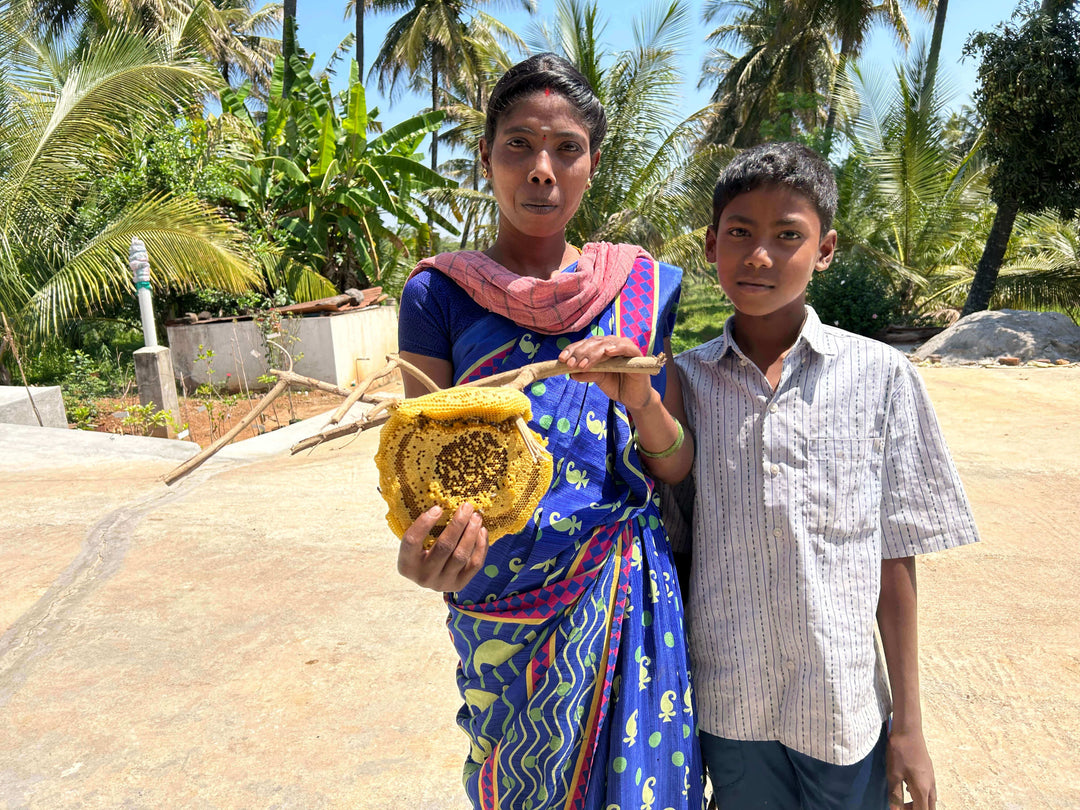
At Svastya Organic Farms, we don't chase trends — we respect traditions. Our cultured ghee is made from A2 milk sourced from indigenous Gir and Sahiwal cows raised on open, chemical-free pastures. Every batch is hand-churned using the traditional bilona method by women artisans from rural farming communities who have carried this knowledge across generations.
Whether or not you believe in the significance of the full moon, we believe in one thing above all: the quality of what goes into the jar. The right milk. The right method. The right hands.
That's what makes the difference — every single time.
FAQs
1. What makes full moon ghee different from regular ghee?
Full moon ghee is cultured bilona ghee made with timing intentionally aligned to the full moon (Purnima) cycle, following Ayurvedic tradition. The production process — fermenting curd, hand-churning via bilona, and slow-cooking — is identical to traditional cultured ghee. The difference lies in the timing and intention, which Ayurveda considers significant for the sattvic quality of the food. From a purely nutritional standpoint, the benefits are primarily a result of the high-quality bilona process and A2 milk source, not the lunar timing alone.
2. Is full moon ghee scientifically proven to be more beneficial?
Not conclusively, no. While Ayurveda has long recognised the influence of lunar cycles on the body and on food, modern nutritional science has not conducted specific studies comparing ghee made during full moon versus other times. What is scientifically well-supported is the nutritional superiority of cultured A2 bilona ghee in general — its high butyric acid, CLA, and fat-soluble vitamin content are documented. We present the lunar aspect as a meaningful traditional practice, not a clinically verified enhancement.
3. Is full moon ghee better for digestion?
Full moon ghee carries all the digestive benefits of authentic cultured bilona ghee — and these benefits are significant. Butyric acid nourishes the gut lining, the fermentation process makes the ghee gentler on the digestive system, and Ayurveda has long used ghee to stimulate agni (digestive fire). If the full moon ghee you purchase is genuinely made via the bilona method from A2 milk, it will support digestion very effectively. The key is always to verify the process and milk source, not just the label.